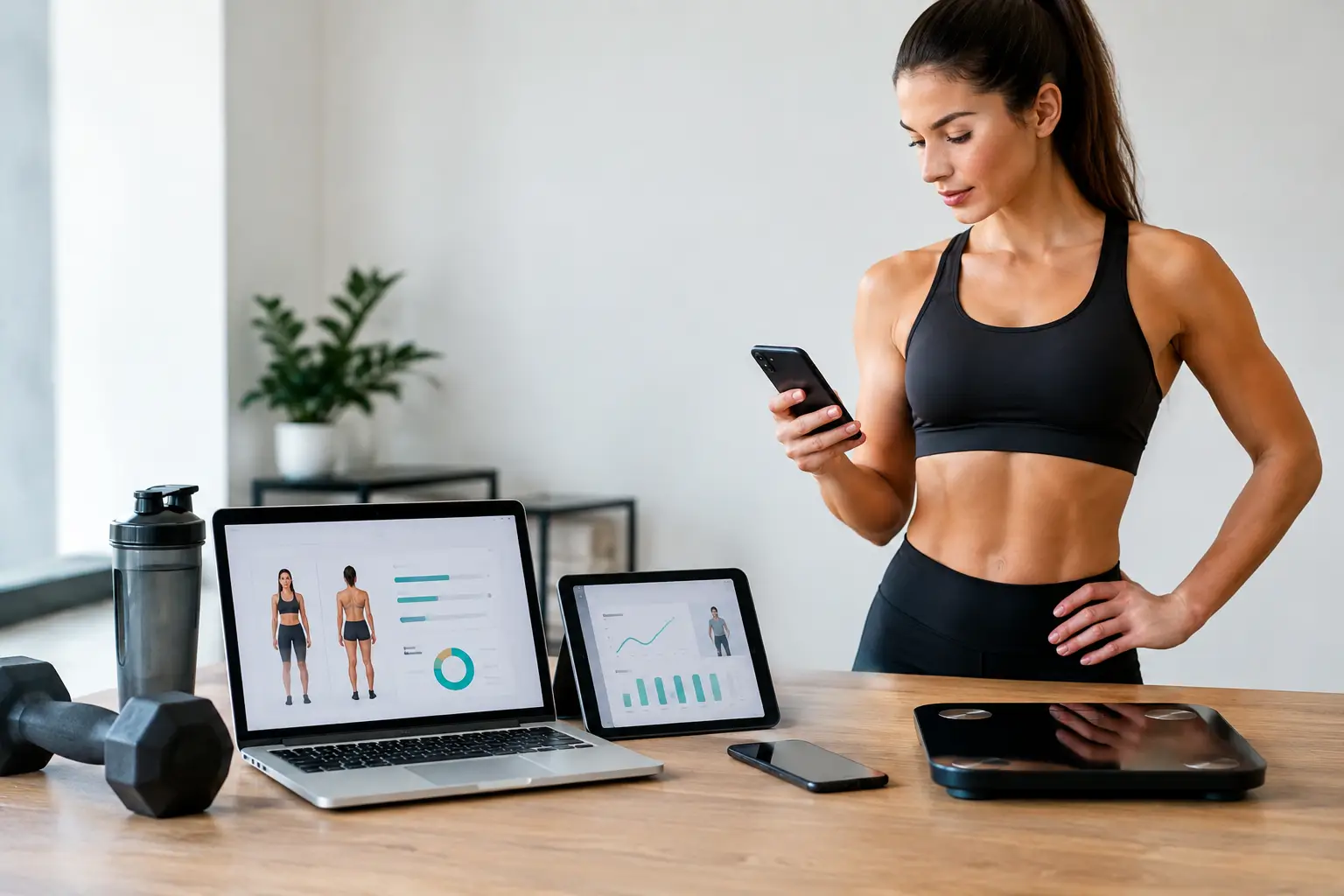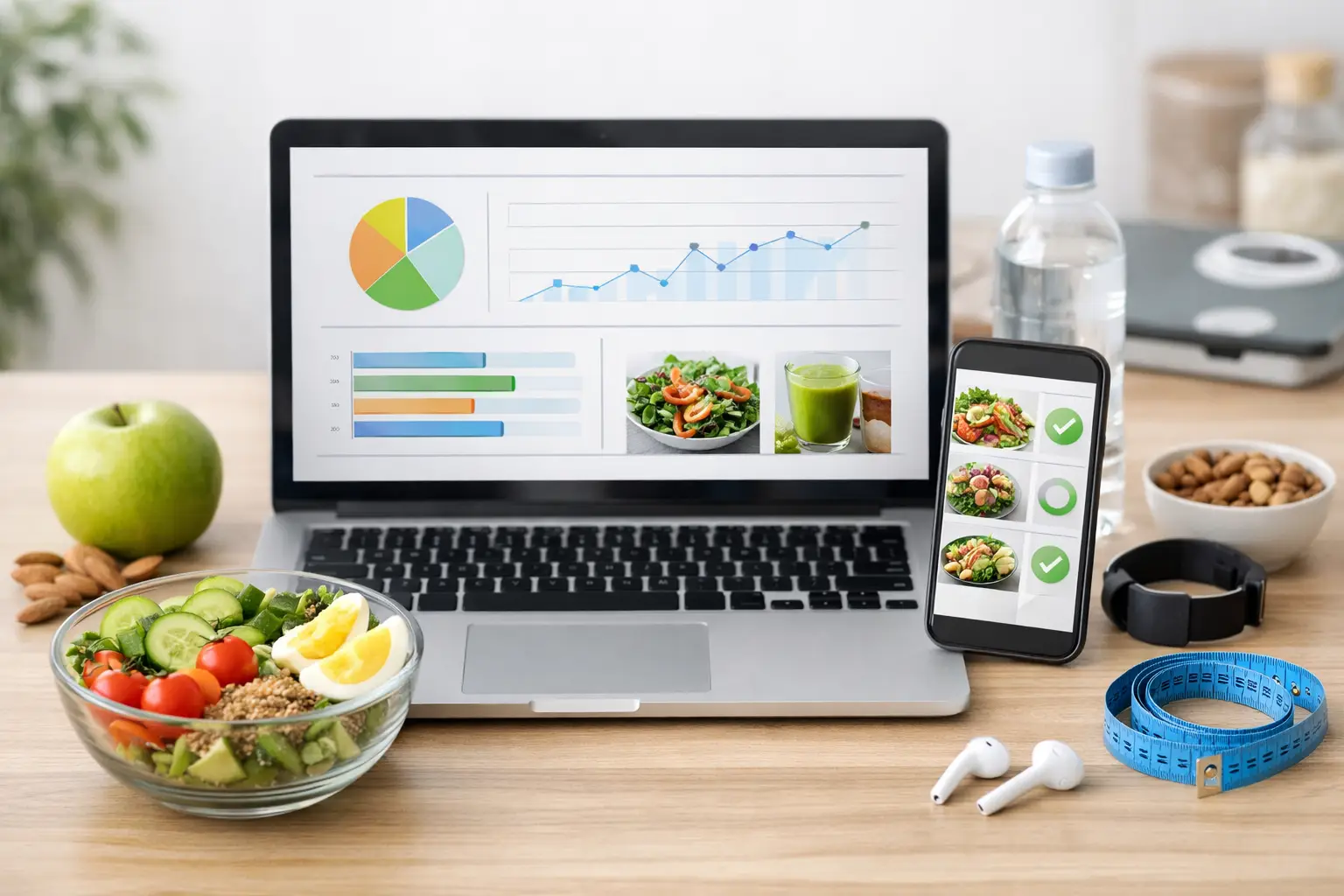
If your nutrition coaching stack still looks like forms, spreadsheets, a meal app, a messaging app, and a check-in doc stitched together with reminders, you already know why coaches are searching for the top 5 nutrition coaching platforms for online coaches in 2026. The issue is no longer whether software can help. The real question is which platform actually reduces admin, improves client adherence, and supports scale without making your service feel generic.
That matters more in 2026 because client expectations are higher. They want mobile access, faster feedback, better personalization, and a branded experience that feels professional from day one. Coaches want the same thing from the business side - fewer disconnected tools, less repetitive work, and more visibility into who is complying, stalling, or quietly falling off.
For this comparison, the most useful lens is not who has the longest feature list. It is which platform fits the way you coach. Some tools are stronger for habit coaching. Some are better for meal logging. A smaller group can actually support integrated training and nutrition delivery inside one workflow.
How to evaluate the top 5 nutrition coaching platforms for online coaches in 2026
Start with your delivery model. If you coach macros only, your ideal platform may be different from a coach who handles training, nutrition, weekly check-ins, and accountability for 75 recurring clients. The more complete your service, the more expensive fragmented software becomes in both time and client experience.
The second filter is automation quality. There is a big difference between simple reminders and meaningful automation that changes your workflow. Good automation should help you review check-ins faster, spot low compliance earlier, and make program or nutrition adjustments with less manual back-and-forth.
The third filter is branding and retention. If every touchpoint sends clients into another company’s app, you are building your service on borrowed brand equity. White-labeling is not cosmetic. It affects perceived professionalism, referrals, and how replaceable your coaching feels.
1. CoachingPortal
For coaches who want training and nutrition in one place, CoachingPortal is the strongest all-around option in this category. That is the key distinction. Most platforms either handle workout delivery well and tack on nutrition, or they support nutrition coaching but leave training workflows underpowered. CoachingPortal is built around integrated coaching delivery as the core use case, not an add-on.
On the nutrition side, it covers the practical pieces most coaches need to work efficiently: meal planning, macro tracking, a large food database, recipes, barcode scanning, grocery list generation, and calorie target calculation through BMR and TDEE tools. That alone puts it in serious contention. Where it separates itself is in the surrounding coaching system.
You also get client management, weekly check-ins, compliance analytics, messaging, white-label branding, and native mobile apps. For coaches running body composition, performance, or hybrid coaching offers, that unified workflow matters. You can review training adherence and nutrition adherence in the same client context instead of piecing together decisions across multiple tools.
Its automation stack is also more coach-specific than average. CoachGPT helps summarize check-ins and flag what changed, while Food AI supports meal swap suggestions when macros drift. On the training side, auto-periodization and RIR-based load adjustment bring evidence-based programming logic into the same platform. That is especially relevant for online coaches whose service is not just meal plans, but outcomes tied to performance, recovery, and long-term adherence.
The trade-off is simple: if you only want a lightweight macro check-in app and have no interest in training delivery, you may not need this much system. But if you are serious about scaling a professional coaching business, the integrated model is hard to beat. The free forever tier up to five clients also lowers the risk for newer coaches testing their workflow.
2. Healthie
Healthie remains a credible option for coaches who want a nutrition-first platform with strong client communication and practice management tools. It is often a better fit for registered dietitians, wellness practices, and coaching businesses that lean more clinical or habit-based than performance-driven.
Its strengths are structure and administration. Scheduling, charting, client messaging, and intake workflows are well developed. If your business involves consultations, educational support, and recurring nutrition guidance more than detailed training prescription, Healthie can make sense.
The limitation for many fitness and physique coaches is that it does not feel purpose-built for integrated strength or body composition coaching. You can absolutely run nutrition clients there, but coaches managing both workouts and meal strategy may still need outside systems. That creates friction if your offer depends on seeing the full picture quickly.
3. Trainerize
Trainerize is still one of the most recognized names in online coaching software, largely because it established itself early with personal trainers and hybrid coaches. Its broad adoption means many coaches are already familiar with the user experience, and it does a respectable job combining training delivery with habit and nutrition features.
Its advantage is familiarity and ecosystem depth. Coaches can manage workouts, habits, messaging, and basic nutrition coaching from one platform, and that is enough for many businesses. If you need a generalist coaching app with wide market adoption, it remains a viable contender.
The trade-off is that nutrition can feel more adjacent than central depending on how advanced your process is. For macro-focused coaches or businesses where meal planning is a major part of the offer, the workflow may not feel as purpose-built as platforms designed with stronger nutrition logic. Pricing structure can also become a factor as your roster grows, especially for coaches watching software margins closely.
4. That Clean Life
That Clean Life is a strong specialist pick if your service is built around meal planning. It is especially useful for coaches who want polished meal plans, recipe management, and efficient client-facing nutrition materials without needing a full coaching operating system.
This is where specialization helps. If your bottleneck is creating practical meal plans fast, the platform does that job well. It can make a coach look more organized and save a meaningful amount of time on food-side deliverables.
The obvious downside is scope. Most online fitness coaches need more than meal plans. They need check-ins, messaging, adherence tracking, progress review, and sometimes training delivery too. In those cases, That Clean Life often becomes one piece of a broader stack rather than the system that runs the business.
5. Practice Better
Practice Better earns a place here because it serves coaches who want flexible client management and a more professional service infrastructure around appointments, forms, and ongoing care. Like Healthie, it tends to appeal more to wellness professionals, nutrition practitioners, and businesses with a consultation-heavy model.
Its strength is operational flow. It can help organize onboarding, documentation, communication, and program delivery in a more structured way than consumer-style coaching apps. For coaches who value process consistency, that has real business value.
The trade-off is similar to other practice-oriented systems: it may not be the best match for coaches whose business depends on close integration between training progression, nutrition adjustments, and compliance analytics. If your offer is highly performance-driven, you may find yourself needing more sport-specific functionality elsewhere.
Which platform is best for different coaching models?
If you sell performance coaching, body recomposition coaching, or high-touch hybrid coaching, the best platform is usually the one that connects nutrition, training, adherence, and communication in one client record. That is why CoachingPortal stands out. It is built for coaches who do not want to compromise between programming depth and nutrition delivery.
If your business is nutrition-led and consultation-heavy, Healthie or Practice Better may fit better. They bring stronger practice-management structure, especially for coaches operating more like a wellness clinic than a performance coaching business.
If you want a mainstream trainer platform with decent nutrition support, Trainerize remains a practical middle-ground option. If your biggest pain point is meal plan creation itself, That Clean Life is the sharper specialist choice.
What will matter most in 2026 and beyond
The best nutrition coaching software is moving beyond logging and messaging. The real value now is decision support. Coaches need platforms that help them interpret compliance, review client data faster, and intervene before motivation drops. AI can help there, but only when it is built around real coaching workflows instead of generic text generation.
That shift also raises the bar for integration. Clients do not separate training, nutrition, recovery, and accountability into different mental boxes. They experience your service as one system. The closer your software reflects that reality, the easier it is to deliver a premium experience consistently.
Before you switch platforms, map your actual week. Count how many times you duplicate data, chase updates across apps, or rebuild client context before making a recommendation. The best platform is the one that removes those handoffs without flattening your coaching quality. When your software helps you coach faster and better at the same time, growth gets a lot more manageable.