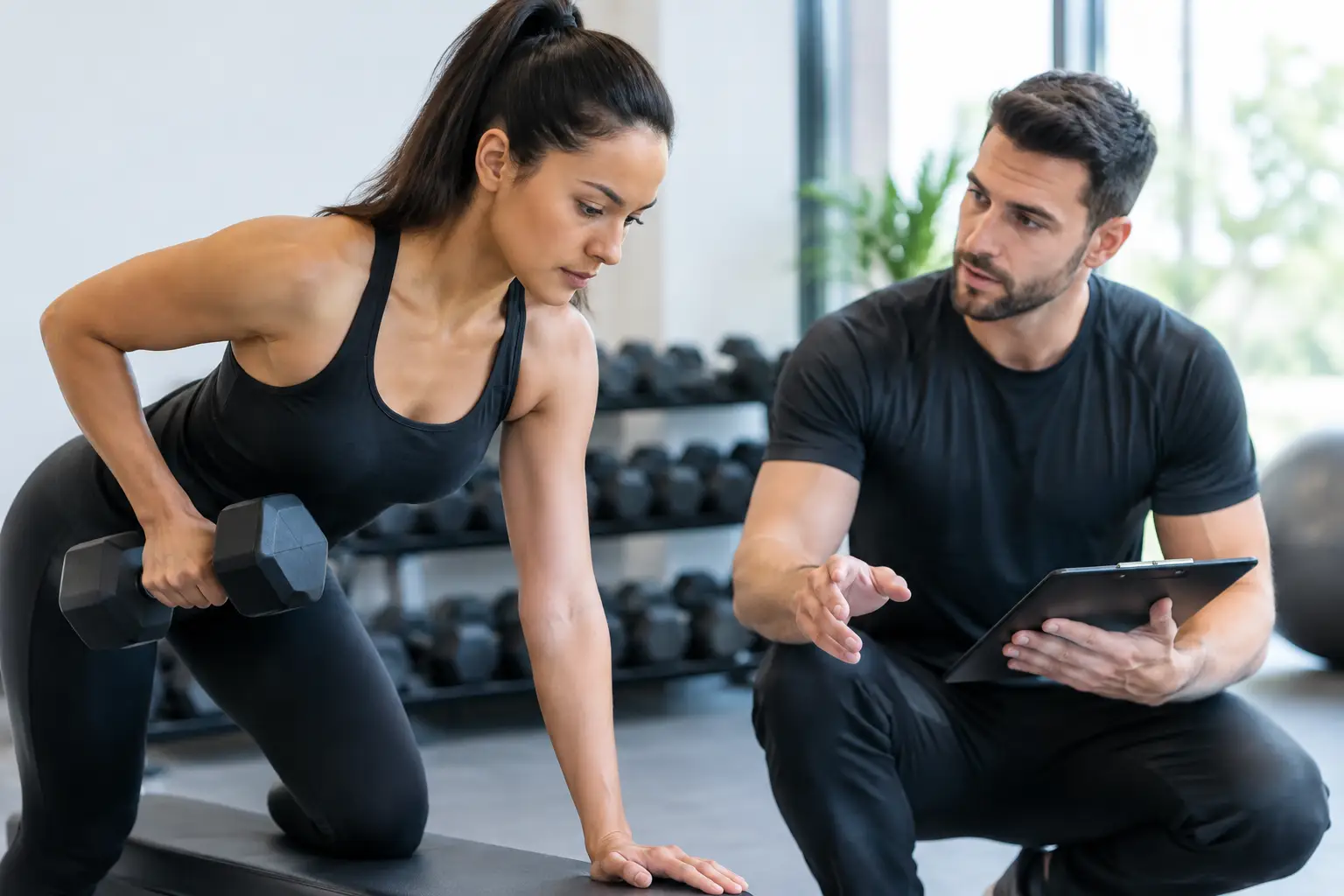
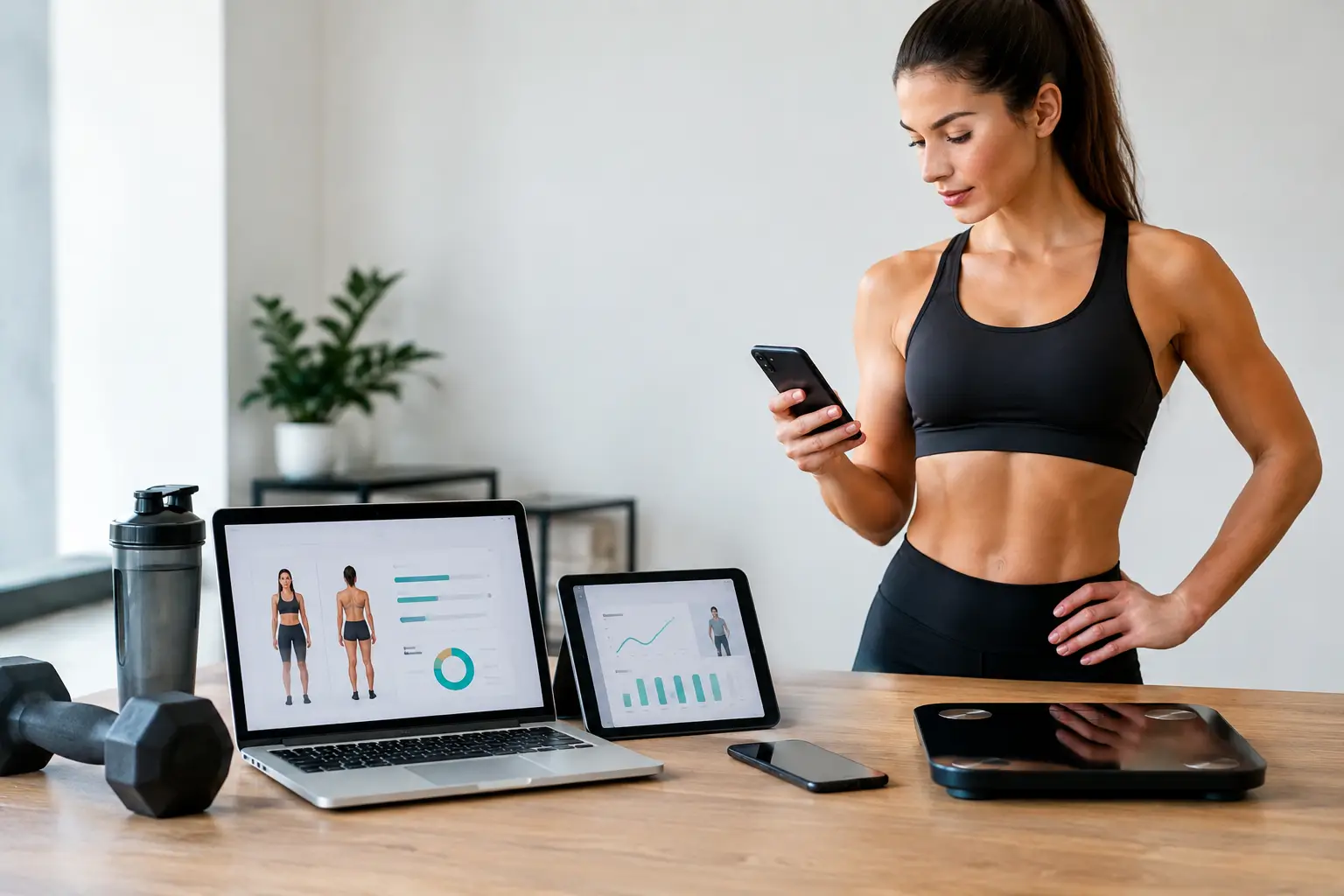
Many people want to improve their fitness and nutrition but do not want to pay for a personal coach. Self-coaching apps fill this gap by providing the structure, data tracking, and guidance of a coach inside a mobile app. These apps use artificial intelligence, automated programming, and nutrition tools to help you manage your own progress. Whether you are a beginner or an experienced athlete, a self-coaching app can give you the accountability and insight you need without the cost of one-on-one sessions.
What Is a Self-Coaching App?
A self-coaching app is a digital tool that helps you plan, track, and adjust your fitness and nutrition on your own. Unlike hiring a human coach who reviews your data and writes programs manually, a self-coaching app uses algorithms and AI to generate daily plans, suggest meal adjustments, and provide real-time feedback. For example, Hapday offers 1-hour guided AI coaching sessions, personalized daily plans, and real-time advice based on your sleep, activity, mood, and habits. Other apps like MyFitnessPal allow food tracking, but full self-coaching apps integrate training and nutrition in one place.
Key Features of the Best Self-Coaching Apps
Not all self-coaching apps are the same. The most effective ones combine several core features that replace the work a coach would normally do.
AI-Powered Personalized Coaching
Artificial intelligence is the engine behind modern self-coaching apps. Apps like Lifestack use your health data to provide personalized recommendations. Rocky.ai focuses on self-reflection and personal growth, offering daily micro-coaching exercises. Saner.AI brings together your notes, tasks, and calendar to turn chaos into clarity. These AI tools learn from your inputs and adjust guidance over time, making the experience feel like a real coaching relationship.
Meal Planning and Nutrition Tracking
Tracking what you eat is essential for fitness goals. Many self-coaching apps include meal plan builders with large food databases, barcode scanners, and real-time macro calculations. CoachingPortal, for example, offers a meal plan builder with access to over 1 million foods (sourced from FatSecret), 17,000 recipes, a barcode scanner, real-time macros, and auto-generated grocery lists. This level of detail removes the guesswork from nutrition and helps you stay on track without a dietitian.
Workout Programming and Auto-Periodization
Progressive overload and periodization are key to results. The best self-coaching apps automate this process. CoachingPortal includes auto-periodization with multi-block periodization, RIR-based autoregulation, and automatic deload scheduling when fatigue patterns appear. These evidence-based algorithms adjust your training loads based on your performance and recovery, so you never have to calculate sets, reps, or RPE manually.
Progress Tracking and Compliance
Seeing your progress keeps you motivated. Self-coaching apps provide dashboards, weekly check-ins, and compliance analytics. You can log workouts, meals, weight, and other metrics, and the app shows trends over time. This mirrors what a coach would review in a weekly check-in, giving you the data you need to make informed decisions about your next steps.

How to Choose the Right Self-Coaching App
Choosing a self-coaching app depends on your priorities. Look for an app that integrates both training and nutrition in one platform. Separate apps for workouts and meals create friction and increase the chance of missing data. Also consider pricing. CoachingPortal offers a free forever plan for up to 5 clients with all features, no trial expiry, and no credit card required. Its flat-rate pricing has no per-client overage fees, which is ideal if you are just starting or want to test the platform. If you need a white-label solution where the app looks like your own brand, CoachingPortal includes custom subdomains, logos, and colors on every plan, including the free tier.
Another factor is the quality of AI. Some apps provide basic tracking, while others like CoachingPortal include CoachGPT, which reads your weekly check-ins and summarizes wins, concerns, and suggested changes. This level of AI assistance can save you hours of analysis each week.
Comparing Popular Self-Coaching Apps
To help you compare, here is a table of notable self-coaching apps and their primary focus based on available information.
| App Name | Primary Focus | Key Features from Research |
|---|---|---|
| Hapday | AI life coaching | 1-hour guided AI sessions, personalized daily plans, real-time advice based on sleep, activity, mood, habits |
| Rocky.ai | Enterprise AI coaching | Daily micro-coaching exercises, self-reflection, personal growth focus; also allows creating white-label AI coaching apps |
| Selfpause | AI life coach chatbot | Chat with an AI life coach anytime, receive personalized advice and support |
| Lifestack | Life coaching using health data | Uses your health metrics to inform coaching recommendations |
| Saner.AI | Personal organization and coaching | Brings together notes, tasks, calendar to create clarity; acts as an AI personal coach |
| CoachingPortal | All-in-one fitness and nutrition coaching | Self-coaching mode, native apps, training program builder, meal plan builder with 1M+ foods, auto-periodization, RIR autoregulation, CoachGPT, white-label on every plan, free forever up to 5 clients |

Why Integrated Training and Nutrition Matters
Many people try to self-coach by using separate apps: one for workouts, one for meals, and maybe a notebook for check-ins. This fragmented approach creates data silos and makes it hard to see how training and nutrition interact. An integrated self-coaching app like CoachingPortal unifies training program design and nutrition in one client experience. You can see your calories, macros, and workout volume on the same dashboard. This integration mirrors what a professional coach would do manually, saving you time and reducing errors.
CoachingPortal also offers a dedicated self-coaching mode at self.coachingportal.io, designed specifically for individuals who want to coach themselves. This mode gives you all the features of the coaching platform but with you acting as both coach and client.

Getting Started with Self-Coaching
To get the most out of a self-coaching app, start by consistently logging your workouts and meals. The more data you provide, the better the AI can adjust plans for you. Use the weekly check-in feature to reflect on what worked and what did not. Take advantage of any AI assistant, like CoachGPT, to get summaries and suggestions. Over time, you will build a detailed history that helps you spot patterns and make smarter decisions about your training and nutrition.
Remember that self-coaching still requires discipline. The app provides the structure, but you provide the effort. With the right tool, you can achieve results that rival those of working with a human coach, at a fraction of the cost.
Frequently Asked Questions
Can I use a self-coaching app for free?
Yes, many self-coaching apps offer free tiers. CoachingPortal provides a free forever plan for up to 5 clients with all features, no trial expiry, and no credit card required. Other apps like Lifestack and Saner.AI may have free trials or limited free versions. Always check the pricing page before signing up.
Do AI self-coaching apps replace a human coach completely?
AI apps can replace many coaching functions like programming, nutrition tracking, and check-in analysis. However, they cannot replace the subjective insight, motivation, and emotional support a human coach provides. For most people, a self-coaching app is enough to make consistent progress. Athletes with very specific needs may still benefit from a human coach.
How accurate is nutrition tracking in self-coaching apps?
Accuracy depends on the database and user input. CoachingPortal uses data from FatSecret, which includes over 1 million foods. Barcode scanning and real-time macro calculations improve precision. As with any food logging tool, the final accuracy relies on you logging correct portion sizes. The app provides the tools; you provide the honesty.
Can I use a self-coaching app on multiple devices?
Most modern self-coaching apps offer native iOS and Android apps along with mobile web access. CoachingPortal, for example, has native apps for both platforms and also supports syncing via Apple Health and Health Connect for step data. This ensures you can log workouts and meals from anywhere.
Self-coaching apps empower you to take control of your fitness and nutrition without hiring a professional coach. By leveraging AI, integrated platforms, and automated programming, these tools make professional-grade coaching accessible to everyone. Whether you choose CoachingPortal for its all-in-one approach or another app for specific features, the key is to start using it consistently and let the data guide your decisions.