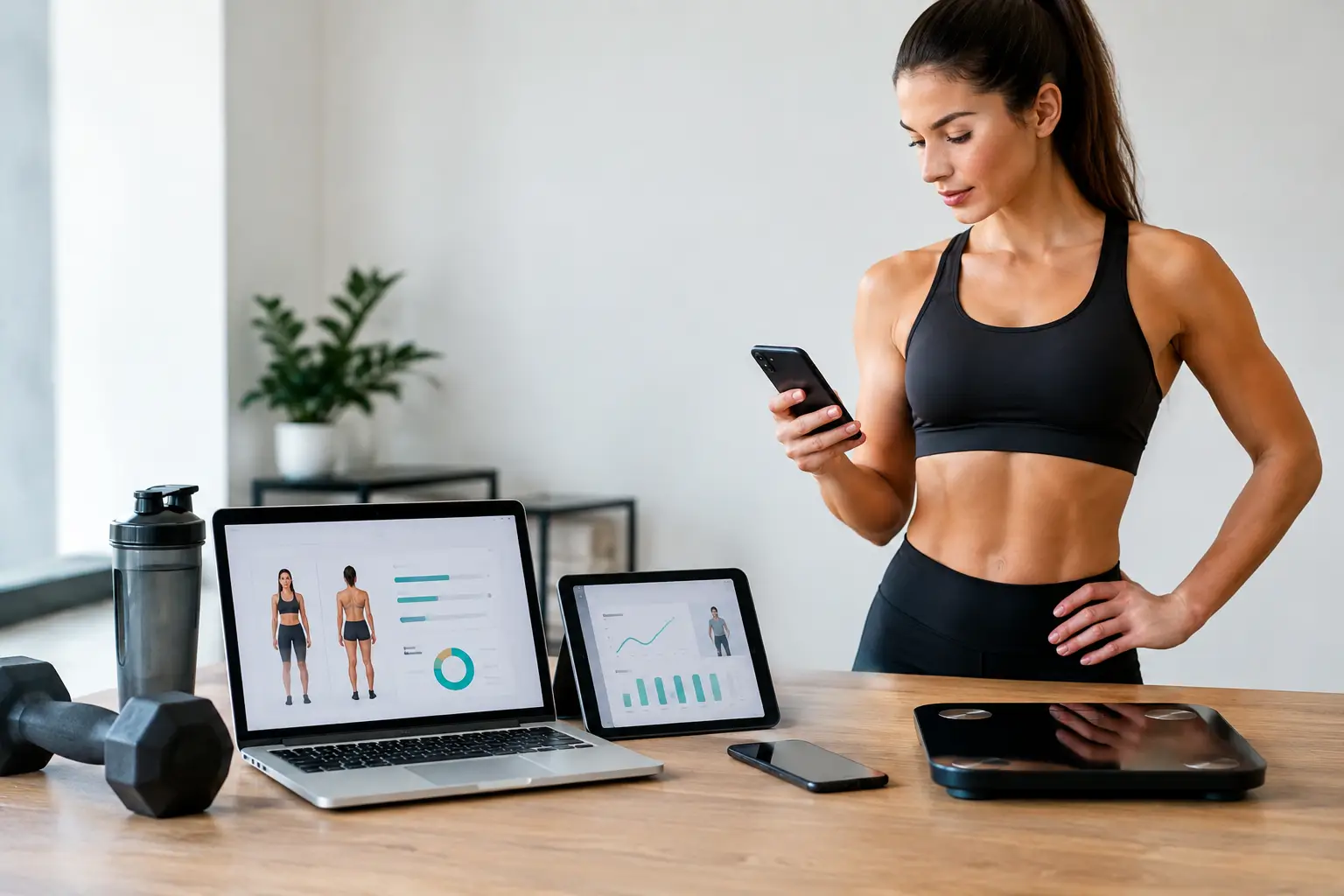
Choosing the right online coaching software is one of the most influential decisions a coach can make for their business. The landscape in 2026 is shaped by rapid advances in artificial intelligence, flexible pricing, and the expectation of a fully branded client experience. Coaches no longer settle for disjointed tools that force them to jump between spreadsheets, messaging apps, and separate nutrition platforms. Instead, they look for integrated solutions that streamline client management, program delivery, and communication under one roof. This article examines the features that matter most, drawing on real comparisons from coaches and platform providers.
Client Management as the Foundation
Every online coaching platform must start with intuitive client management. Without it, coaches waste time on administrative overhead instead of focusing on results. In 2026, coaches expect a central dashboard where they can view all active clients, their progress, and upcoming tasks at a glance. Platforms such as TrueCoach and QuickCoach offer structured client administration, including the ability to assign programs, track check-ins, and monitor compliance. TrueCoach positions itself as a leading personal trainer software trusted by over 20,000 professionals worldwide, and it provides a 14-day free trial for new users. QuickCoach takes a different approach by making its core features free for up to 20 clients, which is ideal for coaches who are just starting out and want to test the waters without a financial commitment.
Beyond basic profiles, robust client management includes automated weekly check-ins. These check-ins replace the manual back-and-forth of asking for feedback and progress updates. Some platforms, like Nudge Coach, allow coaches to build entire coaching programs using video lessons and automated prompts, turning a static plan into an interactive experience. The ability to set reminders and send automated check-in requests helps coaches stay engaged with every client, even as their roster grows beyond a handful of people.
Training Program Design and Delivery
Designing and delivering effective training programs is the core of any fitness coaching business. The best online coaching software in 2026 supports coaches in creating custom programs that can be assigned with a few clicks. Platforms such as Trainerize and Everfit are frequently recommended by coaches on forums like Reddit, where users debate the strengths of each platform. Trainerize and Everfit are often cited as the two best options for fitness coaches who need robust program builders. These platforms allow coaches to structure workouts by day, week, or block, with the ability to include video demonstrations and detailed exercise instructions.
Program delivery must also be seamless on mobile devices. Clients want to open their phone, see today's workout, log their sets and reps, and note how they felt. Platforms that offer native apps, whether through iOS, Android, or mobile web, provide the smoothest experience. Some coaches also value the ability to offer self-coaching modes, where clients can follow a program independently without daily oversight. This expands a coach’s reach and allows them to serve clients at different price points.
Nutrition and Meal Planning Integration
One of the biggest gaps in many online coaching platforms has been the separation of training and nutrition. For years, coaches had to use one tool for workouts and another for meal plans, eating up time and causing friction for clients. In 2026, integrated nutrition features are no longer optional. Coaches need the ability to create meal plans, track macros, and adjust nutrition in real time, all within the same software they use for training.
Some platforms are addressing this need head-on. For example, CoachingPortal is an all-in-one platform that unifies training and nutrition in a single client experience, a combination that many competitors still treat as an afterthought. While specific feature details should be verified with the provider, the trend toward integration is clear. Coaches who adopt a combined solution save hours each week and give clients a more cohesive experience. A growing number of coaches also expect tools like barcode scanners, large food databases, and auto-generated grocery lists to reduce the friction of daily nutrition tracking.
White-Label and Branding Options
Professional coaches invest heavily in building their personal brand, and the software they use should reinforce that brand rather than dilute it. White-label capabilities have become a standard expectation in 2026. Coaches want their own logo, custom colors, and a branded subdomain so clients never see a third-party logo. Coaching Loft, for instance, offers white-label features and a coach directory, and it claims to have been voted Best Coaching Management Software 2024. White-label access is no longer reserved for top-tier plans; some platforms provide it even on free or entry-level tiers, giving coaches a polished, professional appearance from day one.
The client-facing experience matters just as much as the back end. Invite emails, check-in forms, and the client app should all carry the coach's branding. This builds trust and makes clients feel that they are receiving a bespoke service rather than a generic app. Coaches who skip white-labeling risk looking amateurish compared to competitors who present a seamless brand experience.
Artificial Intelligence and Automation
AI is reshaping online coaching software faster than any other trend. In 2026, coaches expect tools that can automate repetitive tasks and provide data-driven insights. Automating is not about replacing the coach; it is about freeing up their time for the human elements of coaching, motivation, accountability, and empathy.
Several platforms have introduced AI-powered features. CoachHub, a digital coaching platform for enterprises, uses AI-based coach matching to pair clients with the right coach from its network of over 3,500 international certified coaches. CoachHub serves more than 1,000 enterprise companies, including Toyota, Asics, Virgin Atlantic, Coca-Cola, Booking.com, and Schneider Electric. On the fitness coaching side, platforms like Coachello offer AI-powered enterprise coaching, while others incorporate AI into client check-in summaries and meal-swap suggestions. Some platforms provide an AI assistant that reads weekly check-ins and summarizes wins, concerns, and suggested changes, a feature that can dramatically cut down the time a coach spends reviewing client data.
Automation also extends to program adjustments. Coaches can set rules for auto-periodization, such as automatically lowering loads when fatigue patterns appear or scheduling deload weeks based on client feedback. These capabilities were once available only through custom scripts, but they are now built directly into modern coaching software.
Free Tiers and Scalable Pricing
Pricing models continue to evolve, but the best platforms offer a way for coaches to start without a large upfront investment. QuickCoach provides its software free for up to 20 clients, making it an attractive entry point. Other platforms offer limited free trials, like TrueCoach’s 14-day trial, or free forever tiers with reduced features. The advice from experienced coaches, as shared in a YouTube video from Propane Fitness, is to avoid paying for coaching software until you have more than 10 clients. They recommend using free apps initially, like a CRM built in a spreadsheet, Apple Notes for note-taking, WhatsApp Business or Telegram for messaging, and Notion or Google Sheets for program templates.
As a coach’s practice grows, they need software that scales without punishing them with per-client overage fees. Flat-rate pricing is preferred by many because it allows coaches to add clients without worrying about incremental costs. Some platforms, like Bonsai, are described as all-in-one solutions that reduce administrative workload, combining client management with invoicing and contracts. While Bonsai is aimed more at business coaching than fitness, the principle of scalable pricing applies across the industry.
Mobile Accessibility and Step Syncing
Clients live on their phones, so coaching software must offer a polished mobile experience. In 2026, that means native iOS and Android apps, not just a mobile-responsive website. The ability to sync step data from Apple Health or Health Connect adds another layer of automation, allowing the coach to monitor client activity without manual logs. Some platforms also include mobile check-in forms, in-app messaging, and push notifications to keep clients engaged between sessions.
For coaches who travel or work remotely, mobile access to the coach dashboard is equally important. Being able to review client progress and respond to messages from a phone keeps the business running smoothly regardless of location.
Compliance Analytics and Data Visualization
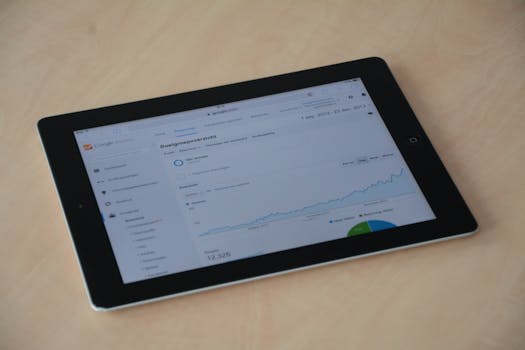
Understanding client adherence is critical for making informed program adjustments. Coaching software in 2026 should provide clear compliance analytics, showing which workouts were completed, which meals were logged, and how consistently the client followed the plan. Color-coded dashboards and trend lines help coaches spot patterns quickly. When a client’s compliance drops, the coach can intervene early with extra support or a modified program.
Some platforms offer analytics that highlight not just adherence but also progress toward goals. Weight trends, strength improvements, and nutrition metrics can all be visualized over time. These insights are valuable for both the coach and the client, as they reinforce the progress being made and maintain motivation.
Frequently Asked Questions
What is the best online coaching software for fitness coaches?
Opinions vary depending on the coach’s specific needs. Reddit users often recommend Trainerize and Everfit for fitness coaching. TrueCoach is another widely used option, trusted by over 20,000 trainers. For coaches who also need robust nutrition tools, integrated platforms like CoachingPortal combine both training and meal planning in one place.
Is there free online coaching software that works well?
Yes. QuickCoach offers free coaching software for up to 20 clients, including plans, check-ins, and client administration. Some experienced coaches also recommend using free apps such as a CRM spreadsheet, Apple Notes, and WhatsApp Business until you have more than 10 paying clients, as paying for software early can eat into profits.
What features should I look for in online coaching software for 2026?
Prioritize integrated client management, training program design, nutrition tools, white-label branding, AI automation (such as check-in summaries or auto-periodization), and a free tier or trial. Mobile accessibility and compliance analytics are also important for staying connected with clients and tracking adherence.
Can online coaching software handle enterprise coaching needs?
Yes. Platforms like CoachHub and Coachello are designed for enterprise deployment. CoachHub has over 3,500 certified coaches and AI-based matching, serving companies like Toyota and Coca-Cola. Together, BetterUp, EZRA, Sounding Board, Torch, and Bravely are also strong options for employee coaching at scale.
How much does online coaching software typically cost?
Pricing varies widely. Some platforms offer free tiers for a limited number of clients, while others charge flat monthly fees with no per-client overage. TrueCoach provides a 14-day free trial. For exact pricing, it is best to check each platform’s official website, as rates change and many offer custom quotes for larger teams.
Selecting the right online coaching software in 2026 comes down to matching features with your coaching style, budget, and growth plans. Start with a free tier or trial, test the client experience on mobile, and prioritize platforms that reduce your administrative load through automation and integration. The tools you choose today will shape the efficiency and professionalism of your coaching business for years to come.