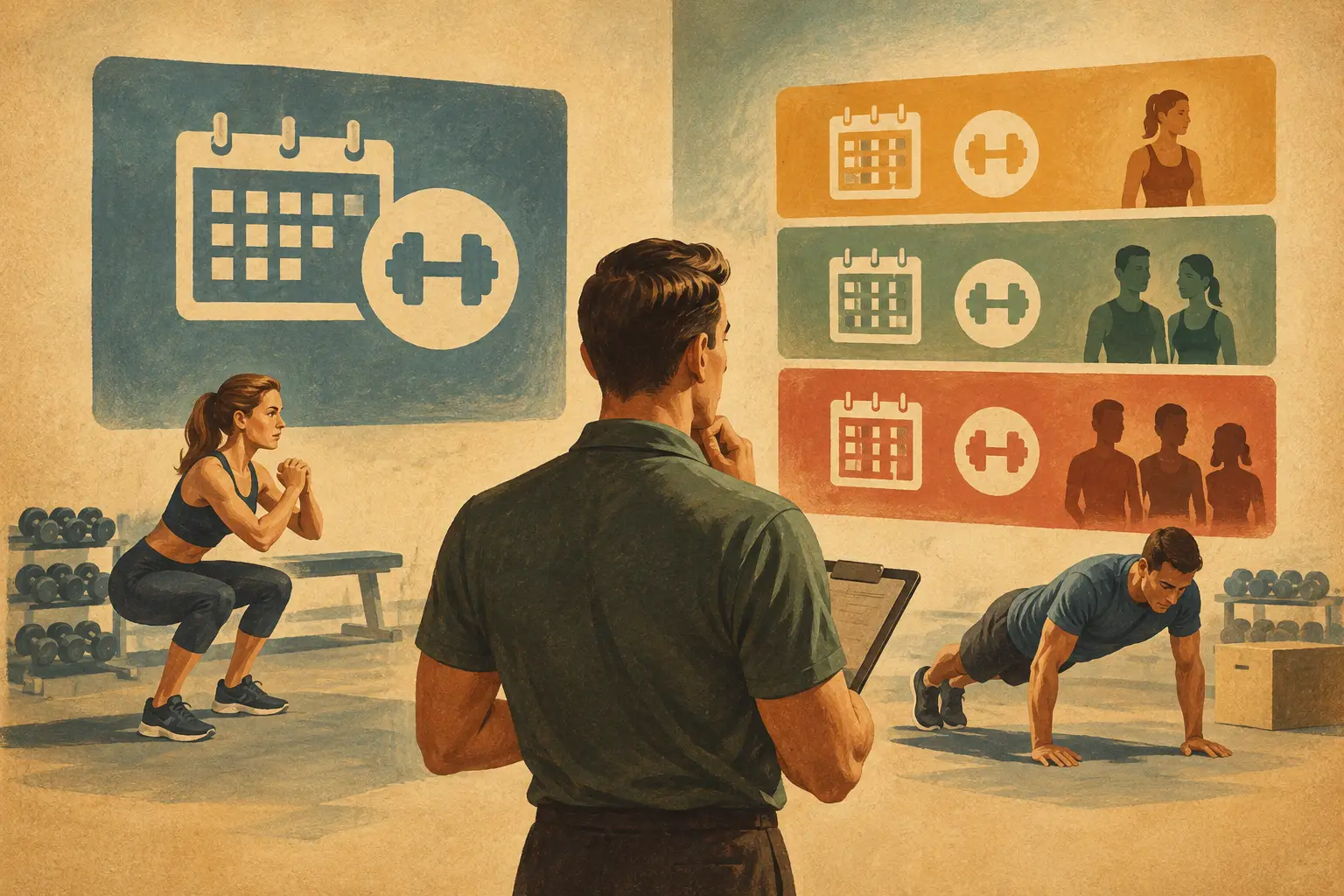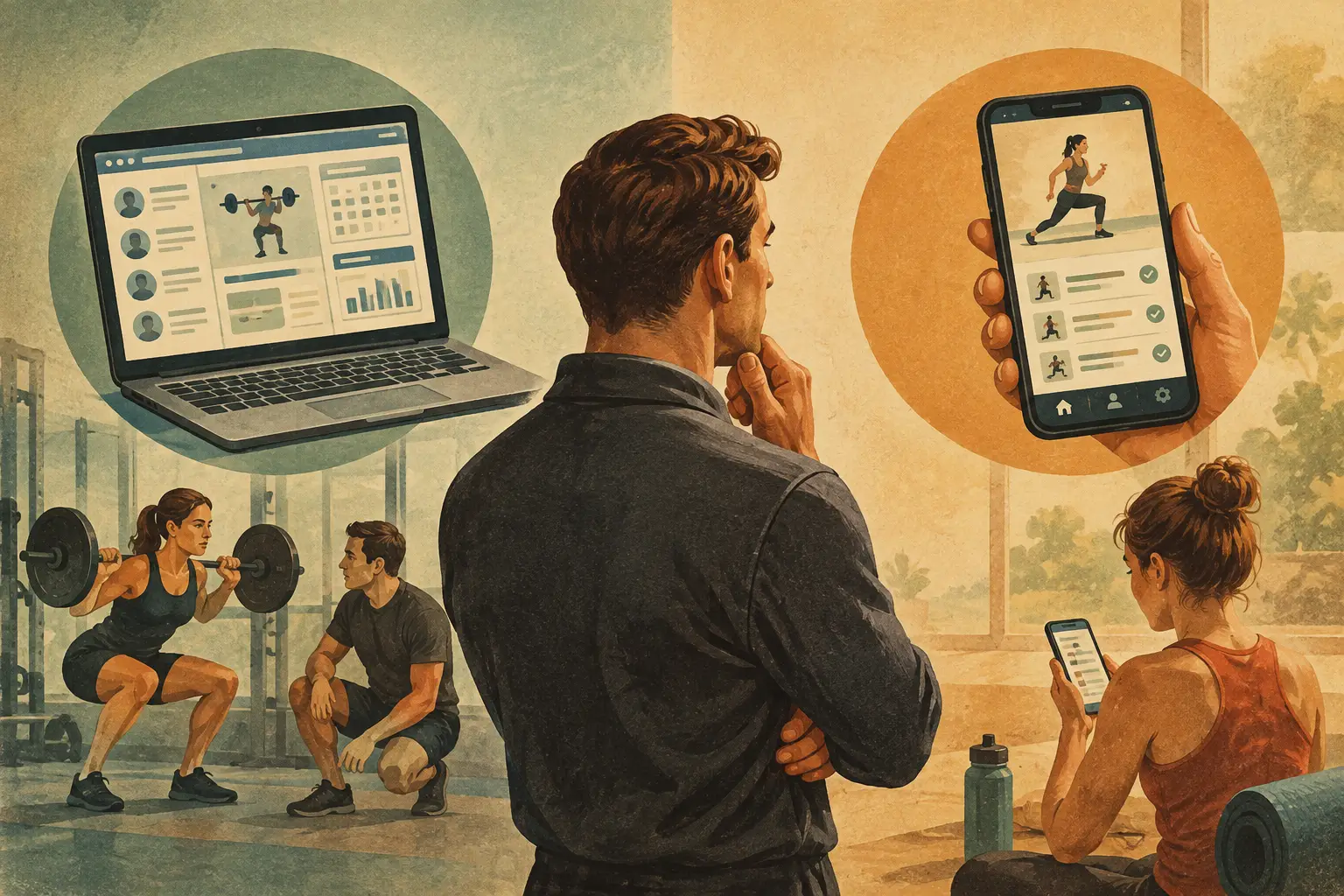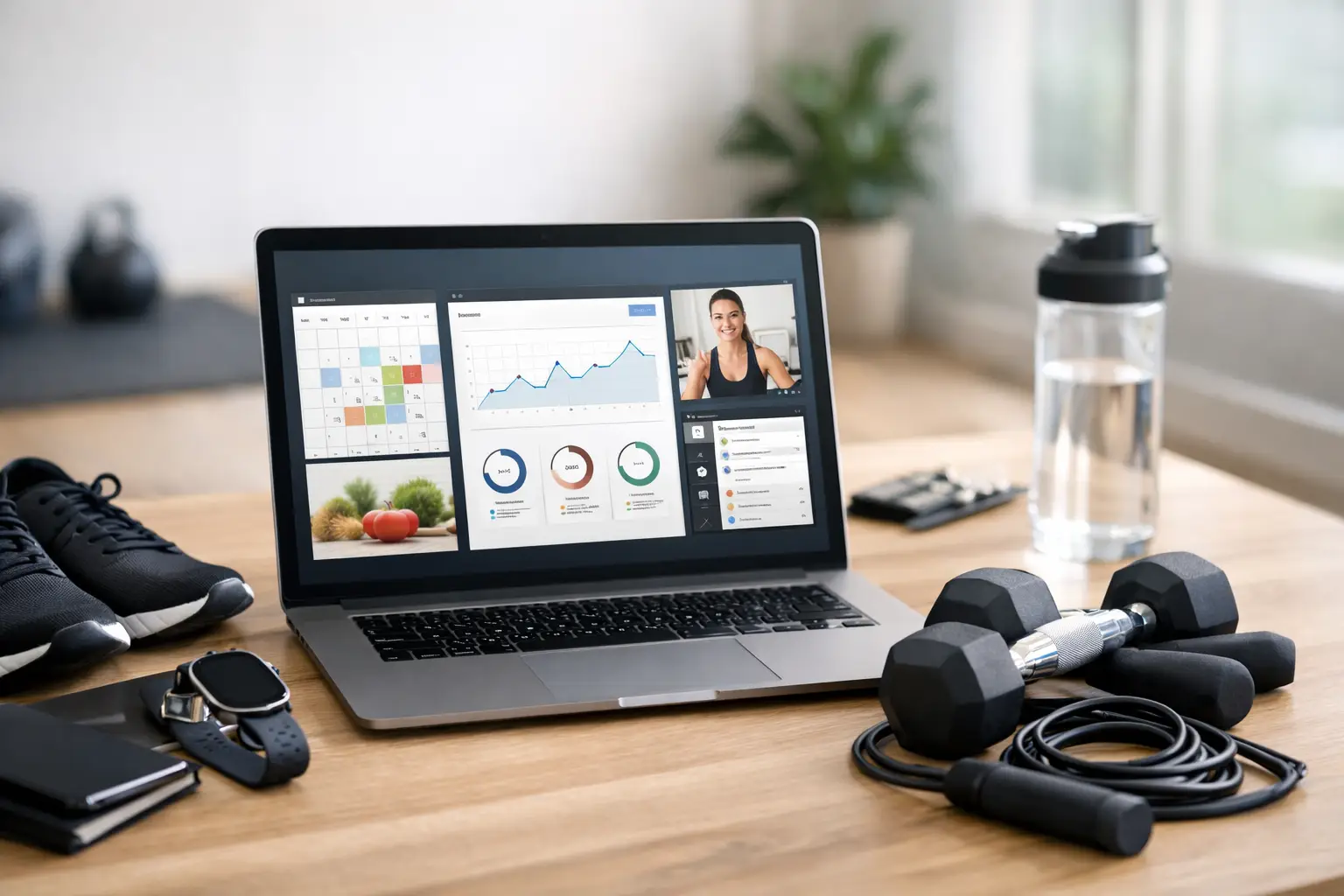
If your coaching business still runs on a workout app, a meal planner, a check-in form, a messaging tool, and three spreadsheets, you do not have a systems problem. You have a delivery problem. The right all in one coaching software fixes that by putting programming, nutrition, communication, and client data in one place so you can coach faster, make better decisions, and scale without lowering the standard.
That matters more than most coaches realize. Fragmented tools do not just create annoyance. They slow response time, hide useful data, and make client adherence harder to track. When a client misses sessions, goes off plan, or stalls in body composition progress, the issue is rarely a lack of information. More often, the issue is that the coach cannot see the full picture quickly enough to act on it.
What all in one coaching software should actually replace
A lot of platforms call themselves all-in-one because they bundle a few features together. That is not the same as running your business from one operating system. For fitness coaches, nutrition coaches, and online trainers, true all in one coaching software should replace the disconnected stack most businesses build by accident over time.
That usually includes workout delivery, exercise progressions, meal planning, macro tracking, check-ins, habit tracking, messaging, analytics, onboarding, and some level of reporting. If you still need to export data between tools or manually compare a client's check-in notes with their training history and nutrition adherence, the software is not really centralizing your workflow.
The difference is operational, but it also affects coaching quality. When all client inputs live in one system, patterns become visible earlier. You can spot low compliance before it becomes dropout risk. You can see whether poor recovery lines up with training load, step count, calorie intake, or missed habits. That is where better software starts producing better outcomes.
The biggest mistake coaches make when comparing platforms
Most coaches shop by feature count. That sounds logical, but it often leads to the wrong decision.
A platform can have a long list of tools and still create friction in the day-to-day work that actually drives results. What matters is not whether a software page says it offers workouts, nutrition, and messaging. What matters is whether those tools work together in a way that reduces admin while preserving coaching precision.
For example, workout programming on its own is not enough. You need progression logic that reflects real coaching practice. Nutrition support on its own is not enough either. You need meal planning, macro management, food suggestions, and compliance visibility in the same environment. Messaging is useful, but it becomes far more valuable when it sits next to check-in history, body metrics, and habit data.
That is the core test. Does the platform help you coach from one decision-making center, or does it just collect features under one login?
What to look for in all in one coaching software
The best all in one coaching software for fitness professionals should improve two things at the same time: coach efficiency and client adherence. If it only improves one, the gains usually stall.
Training delivery needs more than a workout builder
A serious coaching platform should let you program at scale without making training generic. That means exercise libraries, templates, progressions, and auto-periodization need to support evidence-based programming rather than just content delivery.
For strength coaches and physique coaches, progression management matters because training outcomes depend on more than assigning sets and reps. You need a system that helps manage overload, training phase structure, exercise substitutions, and progression rules with less manual adjustment. If every update requires rebuilding plans from scratch, growth gets expensive fast.
Nutrition tools should support decision-making, not just meal plans
Nutrition coaching becomes inefficient when macros live in one place, meals in another, and adherence notes in a third. A platform should let you manage calorie targets, macro distribution, meal structure, and food selection while keeping client compliance visible.
This matters because nutrition success is not just about prescribing numbers. It is about seeing whether the client can realistically execute the plan. Smart food suggestions, meal planning logic, and behavior tracking help bridge the gap between the prescription and the actual result.
Check-ins should reduce guesswork
A weekly check-in is one of the highest-value moments in a coaching relationship, but it is also one of the biggest time drains when the process is manual. The right system should make it easier to collect data, analyze trends, and respond consistently.
That includes subjective feedback, body weight trends, progress photos, habit completion, training performance, and nutrition adherence. Better still if the platform can assist with check-in analysis, flag risk areas, and surface patterns you would otherwise need to hunt for. Coaches do not need more raw data. They need faster interpretation.
Messaging should live inside the coaching workflow
Clients want fast answers, but coaches cannot live in five communication channels all day. Messaging inside the coaching portal matters because context stays attached to the client record. That improves response quality and reduces time wasted switching between apps.
It also creates a more professional experience. Clients feel like they are being coached inside a structured system, not managed through scattered direct messages.
Analytics should drive retention
A surprising number of coaches underuse data because collecting it is messy. Good analytics solve that by pulling together compliance, progress, engagement, and performance trends in one view.
This is where software can directly support retention. If you know which clients are disengaging early, you can intervene earlier. If you can see which habits correlate most with progress, you can coach more precisely. Analytics are not there to impress coaches. They are there to improve decisions and keep clients moving.
The real trade-off: flexibility versus control
There is no perfect platform for every coaching model. That is where a lot of buying advice falls apart.
Some coaches want maximum customization, which often means more manual setup and more room for inconsistency. Others want stronger automation, which saves time but may require adapting some parts of their process. The right choice depends on whether your business bottleneck is creativity or capacity.
For most growing online coaches, capacity is the bigger issue. If you are spending hours every week rewriting check-in responses, adjusting meal structures manually, or chasing compliance across multiple tools, more flexibility is not helping you. It is draining margin and limiting scale.
That is why automation matters, but only when it is useful automation. Compliance scoring, progression management, smart nutrition suggestions, and AI-assisted analysis can reduce repetitive work without turning coaching into a template factory. The best systems automate the admin layer so the coach can spend more time on judgment, strategy, and client communication.
Why the client experience matters as much as the coach dashboard
Coaches often evaluate software from the backend first, which makes sense. You are the one using it every day. But the client-facing experience deserves equal attention.
If the mobile experience is clunky, if habits are hard to log, if workouts are confusing to follow, or if check-ins feel like homework, adherence drops. That means your coaching quality can be high on paper and still underperform in practice.
A strong client app should make daily actions easy. Clients should know what to do, where to do it, and how their progress connects to the plan. White-label branding also matters more than some coaches assume. A branded experience improves perceived authority and helps the service feel like a professional system rather than a patchwork of borrowed tools.
For coaches selling premium or semi-premium services, that presentation supports retention just as much as the programming itself.
When all in one coaching software is worth it
If you coach a handful of clients with a very simple service, a basic stack may work for a while. But once client volume grows, or once your offer includes both training and nutrition, inefficiency compounds quickly.
That is usually the tipping point. You start spending too much time on updates, too much energy on organization, and too little time on actual coaching. An all-in-one platform becomes worth it when centralization saves enough time to either improve your service or free up capacity for growth. Ideally both.
Platforms built specifically for fitness coaching tend to perform better here because they reflect the real workflow of recurring client delivery. That includes programming logic, nutrition management, check-in systems, and adherence tracking that map to how coaches actually work. CoachingPortal is one example of that more specialized approach, especially for coaches who want advanced automation without giving up a professional, branded client experience.
The right software should make your business feel lighter to run and stronger in delivery. If it does not save time, improve visibility, and help clients follow the plan more consistently, it is not infrastructure. It is overhead.
The best test is simple: choose the system that gives you clearer decisions, cleaner operations, and more time to coach at a high level.