If your coaching business still runs on spreadsheets, separate workout apps, meal plan PDFs, and DMs, the problem is not effort. The problem is infrastructure. The best fitness coaching software gives you one operating system for delivery, communication, compliance, and growth so you can coach at a high level without getting buried in admin.
That distinction matters because most coaches do not actually need more tools. They need fewer tools that do more. When your programming lives in one place, nutrition in another, check-ins in a form builder, and client messaging in text threads, every handoff creates friction. Friction costs time, lowers adherence, and makes your service feel less professional than it really is.
What the best fitness coaching software should actually solve
A lot of platforms market convenience. Serious coaches should look deeper. Good software does not just store workouts and meal plans. It should improve decision-making, reduce repetitive work, and help clients follow through.
For a strength coach, that means programming logic that supports progression over time, not just a workout builder. For a nutrition coach, it means macro management, food guidance, and check-in systems that make trends visible. For hybrid coaches, it means both systems working together without duplicate admin.
The real test is simple. Does the platform help you deliver better coaching in less time while keeping the client experience structured and credible? If the answer is no, it is probably just another app in the stack.
Best fitness coaching software needs more than workout delivery
Workout delivery is the baseline now. The stronger platforms go further by supporting the full coaching relationship.
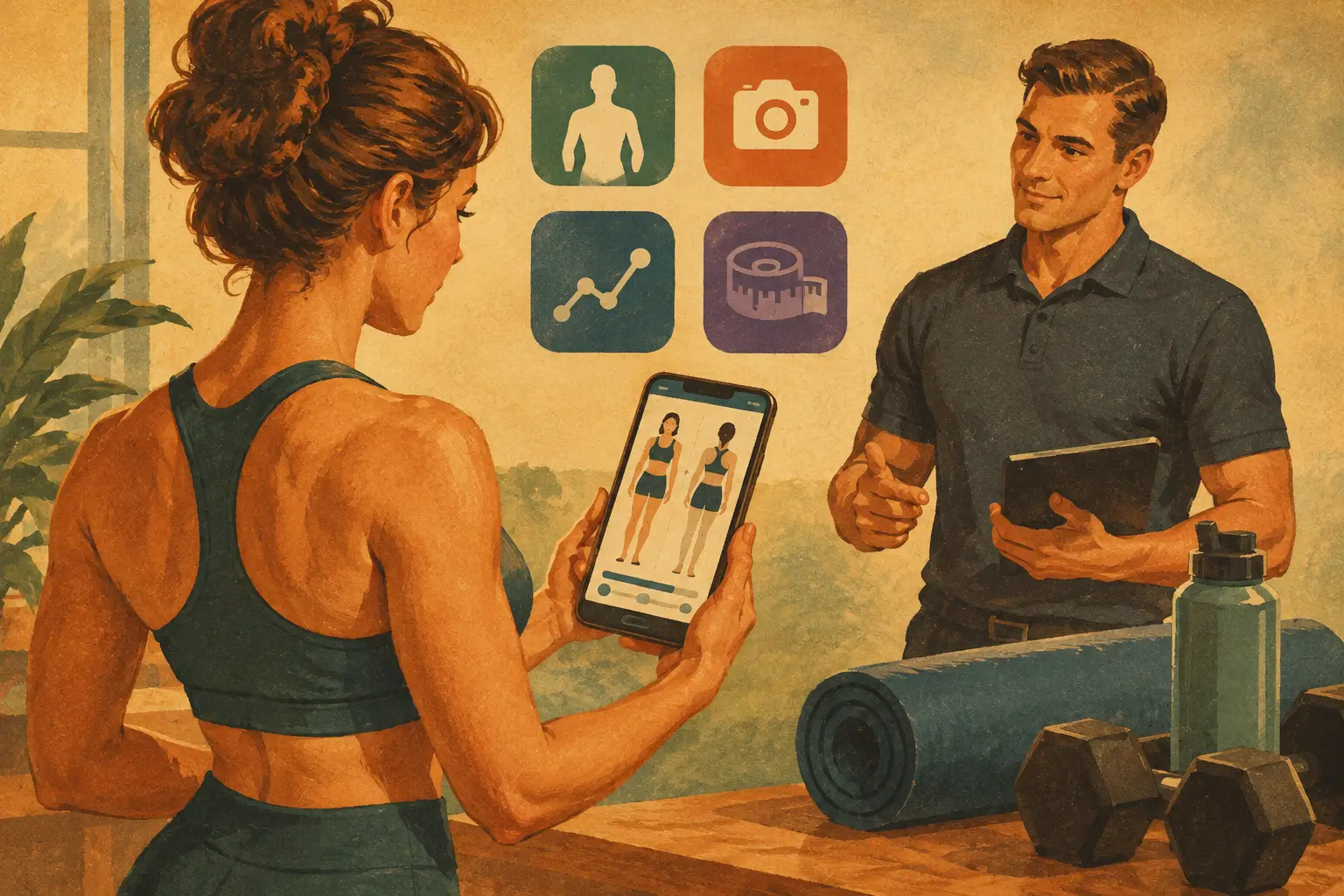
That includes client onboarding, training plans, nutrition support, habit tracking, progress photos, check-ins, messaging, analytics, and mobile access. If one of those pieces is missing, coaches usually fill the gap with another tool. That is where systems start to break down.
There is also a business layer to consider. Coaches who want to scale need software that keeps service quality consistent as client volume increases. A platform might work fine with 15 clients and become a bottleneck at 60. That is why automation matters so much. Not automation for the sake of replacing coaching judgment, but automation that removes low-value repetition so you can spend more time interpreting data and making useful adjustments.
The features that matter most for online coaches
The best platforms usually separate themselves in a few specific areas.
Programming quality comes first. If your clients train for physique change, strength, fat loss, or body recomposition, you need a system that handles structured exercise prescription, progression management, and periodized planning. Research consistently supports progressive overload and intelligently managed training volume as key drivers of adaptation, so software should make those principles easier to apply, not harder.
Nutrition tools are the next big divider. Many coaching platforms tack on meal tracking as an afterthought. That is not enough for coaches whose outcomes depend on adherence, calorie control, protein intake, and behavior change. Better systems include macro targets, meal planning, food suggestions, and a way to review trends over time instead of reacting to one off-plan day.
Check-in workflows also matter more than many coaches realize. A weak check-in system creates vague feedback and inconsistent reporting. A strong one gives you structured data fast. Body weight trends, subjective biofeedback, progress images, training performance, and compliance markers should all be easy to review in one place. The faster you can identify what is actually happening, the faster you can coach effectively.
Messaging is another make-or-break feature. Clients want accessibility, but coaches need boundaries and organization. Software should centralize communication in context so conversations sit next to plans, habits, and check-in history rather than getting lost in text threads.
Then there is branding. If you are charging for premium coaching, your service should look like a premium system. White-label presentation and a polished client app can strengthen perceived value, improve retention, and help your business feel like a real company rather than a collection of tools.
Where many platforms fall short
A lot of software looks strong in a demo and weak in daily use.
Some tools are built for generic personal training and never really adapt to online coaching. They let you assign workouts, but they do not support deeper nutrition coaching, long-term habit adherence, or detailed check-in analysis. Others are overloaded with features but slow to use, which defeats the whole point of improving operational efficiency.
There is also a trade-off between flexibility and standardization. Highly customizable software can be powerful, but if every coach on your team builds workflows from scratch, quality becomes inconsistent. More structured systems can improve speed and repeatability, though they may feel less open-ended for coaches who want unusual setups. The right balance depends on your service model.
Price can be misleading too. A cheaper platform is not actually cheaper if you still need separate tools for meal planning, messaging, forms, analytics, and client habit tracking. Total stack cost matters, but so does the opportunity cost of managing disconnected systems.
How to evaluate the best fitness coaching software for your model
Start with your delivery model, not the feature list.
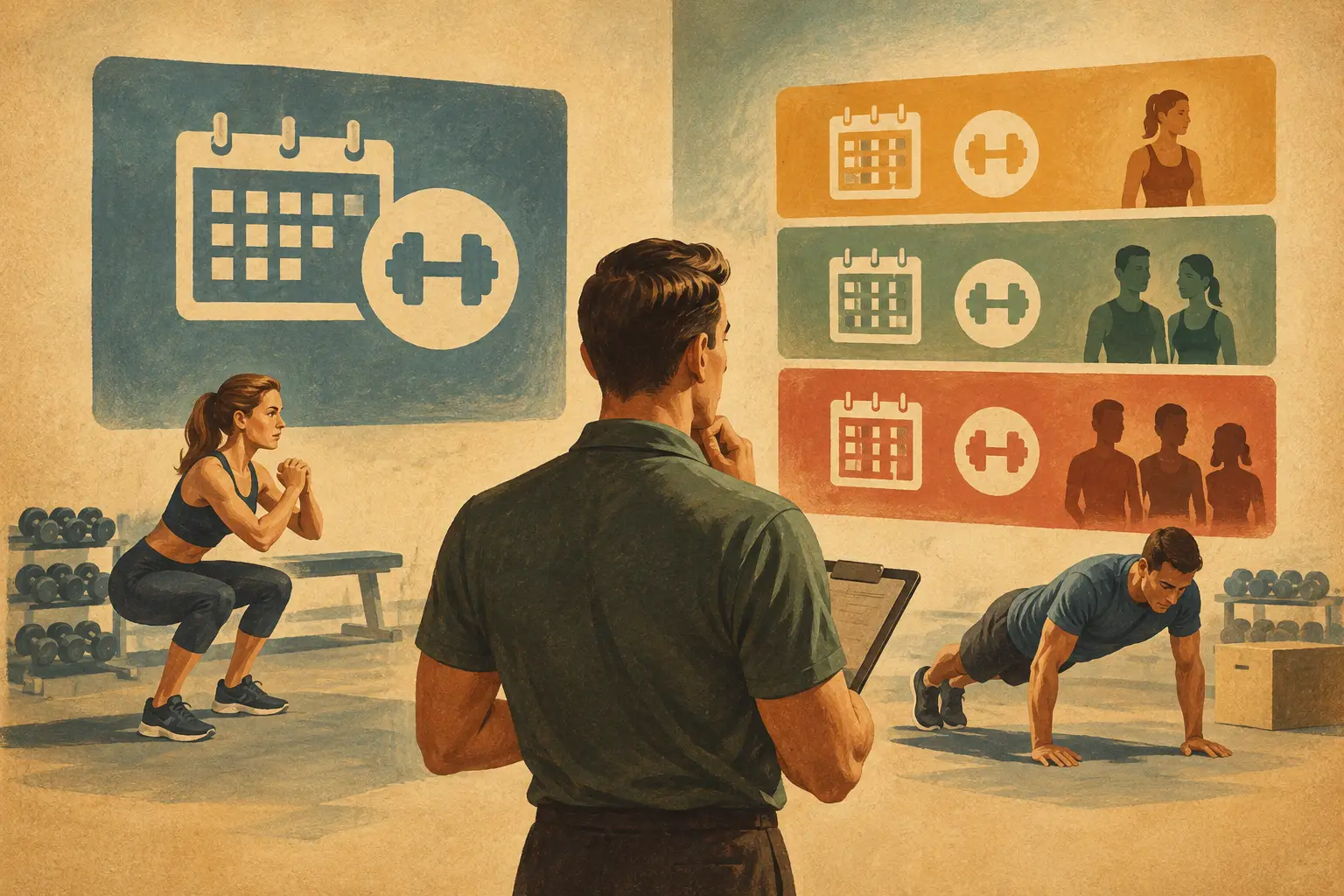
If you are primarily a 1:1 online strength coach, your non-negotiables probably include advanced workout programming, progression tracking, exercise libraries, and check-ins tied to performance data. If you are a nutrition-first coach, the priority shifts toward macro management, meal structure, food logging support, and biofeedback review. If you run a hybrid business, you need both without compromise.
Next, look at workflow speed. Can you onboard a new client quickly? Can you update a program in minutes instead of rebuilding it every week? Can you spot non-compliance before a client churns? Good software reduces clicks, reduces context switching, and reduces the chance that important client information gets missed.
After that, test the client side. Coaches sometimes buy software based on their own dashboard and ignore the end-user experience. That is a mistake. Your clients need an app that feels intuitive enough to use daily. If it is clunky, adherence drops. And if adherence drops, results usually follow.
Finally, ask how well the platform helps you grow. Does it support automation, standardized systems, and team usage? Does it make your service more consistent as volume increases? The best software should not just help you coach your current roster. It should help you coach the next 20 clients without adding chaos.
Why centralized systems outperform stacked tools
Fragmented tech stacks create hidden inefficiency. You may not notice it with a small roster, but the drag compounds fast.
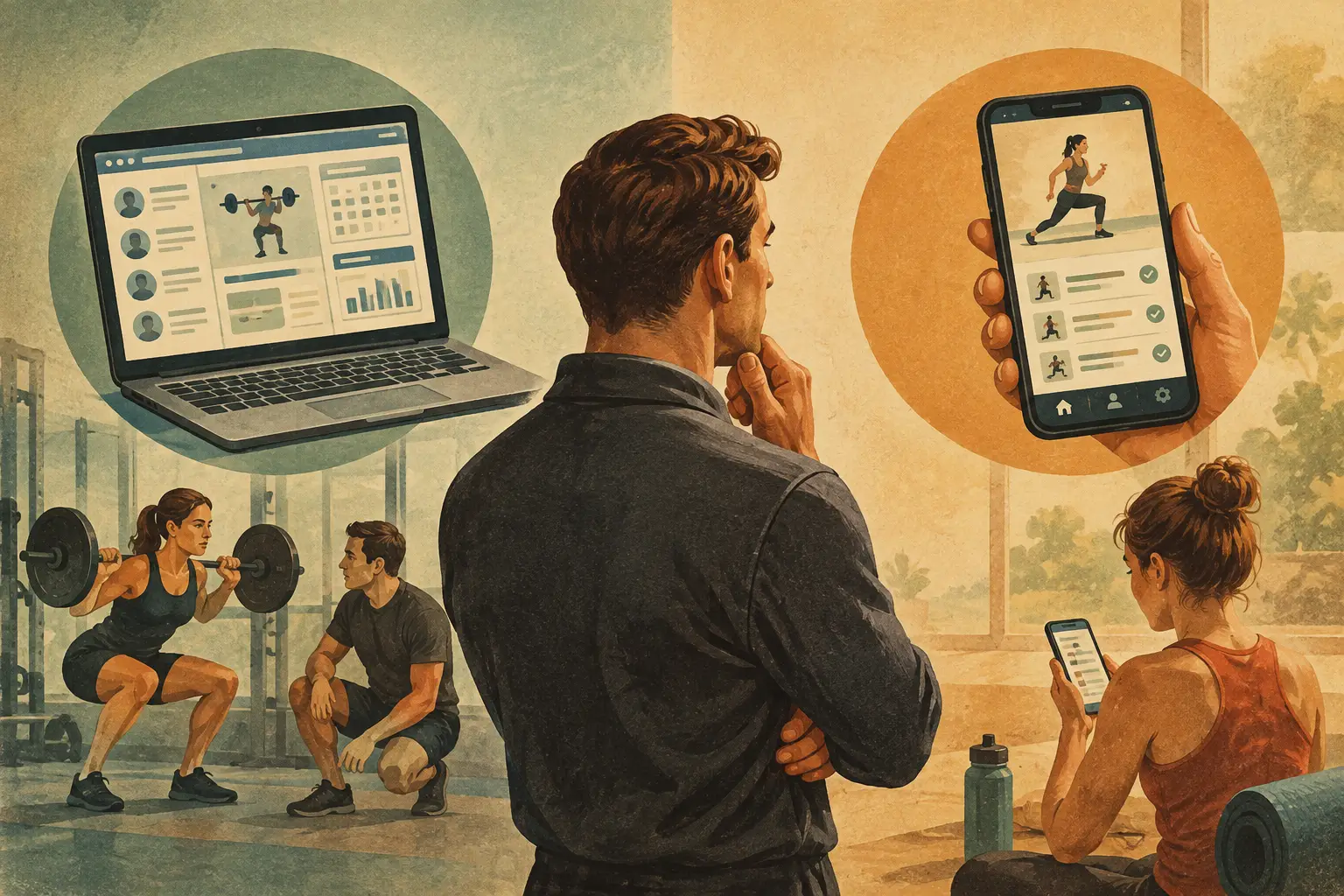
Every separate app creates duplicate data entry, more troubleshooting, and more room for clients to disengage. A client who has to open one app for training, another for meal guidance, another for habits, and another for communication is much less likely to stay consistently engaged than a client using one mobile-first system.
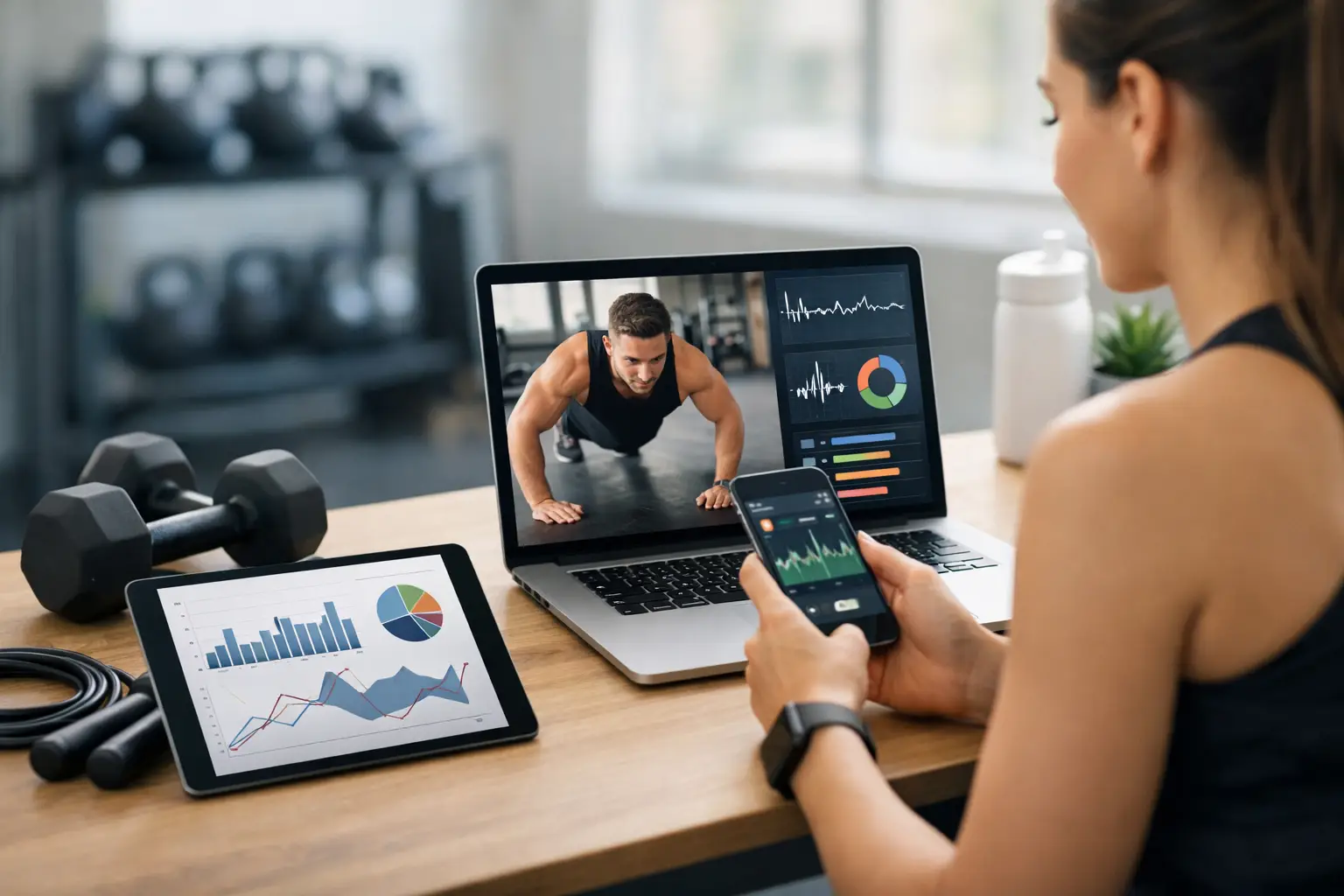
For coaches, centralization improves pattern recognition. When training performance, adherence, body composition trends, and nutrition behavior sit together, adjustments become more accurate. That matters because good coaching is not just about collecting data. It is about interpreting the right data in context.
This is where a platform like CoachingPortal fits naturally for serious coaches. It is built around the reality that delivery, nutrition, periodization, check-ins, analytics, and communication are not separate functions. They are one coaching system. When automation supports compliance scoring, progression management, food suggestions, and check-in analysis, you save time without lowering coaching quality.
The business case is just as important as the coaching case
The best fitness coaching software should improve client results, but it should also improve margins.
Admin hours are expensive. So is coach fatigue. If you spend too much time chasing check-ins, updating spreadsheets, rewriting plans manually, or switching between tools, your capacity gets capped long before demand does. Most coaching businesses do not hit a growth ceiling because of lead generation alone. They hit it because the delivery system cannot scale cleanly.
Better software gives you leverage. It helps maintain service quality, shortens response times, standardizes delivery, and supports a more professional experience. That can lead to stronger retention, better referrals, and the ability to raise prices with more confidence.
There is still an it depends factor here. New coaches with very small rosters may tolerate simpler systems for a while. But once recurring revenue depends on client retention and operational efficiency, software stops being a side consideration. It becomes core business infrastructure.
The best choice is usually the platform that lets you coach with more precision, present your service more professionally, and scale with less manual work. If your current setup makes good coaching harder than it needs to be, that is your signal. The right system should feel like an advantage every day your business grows.