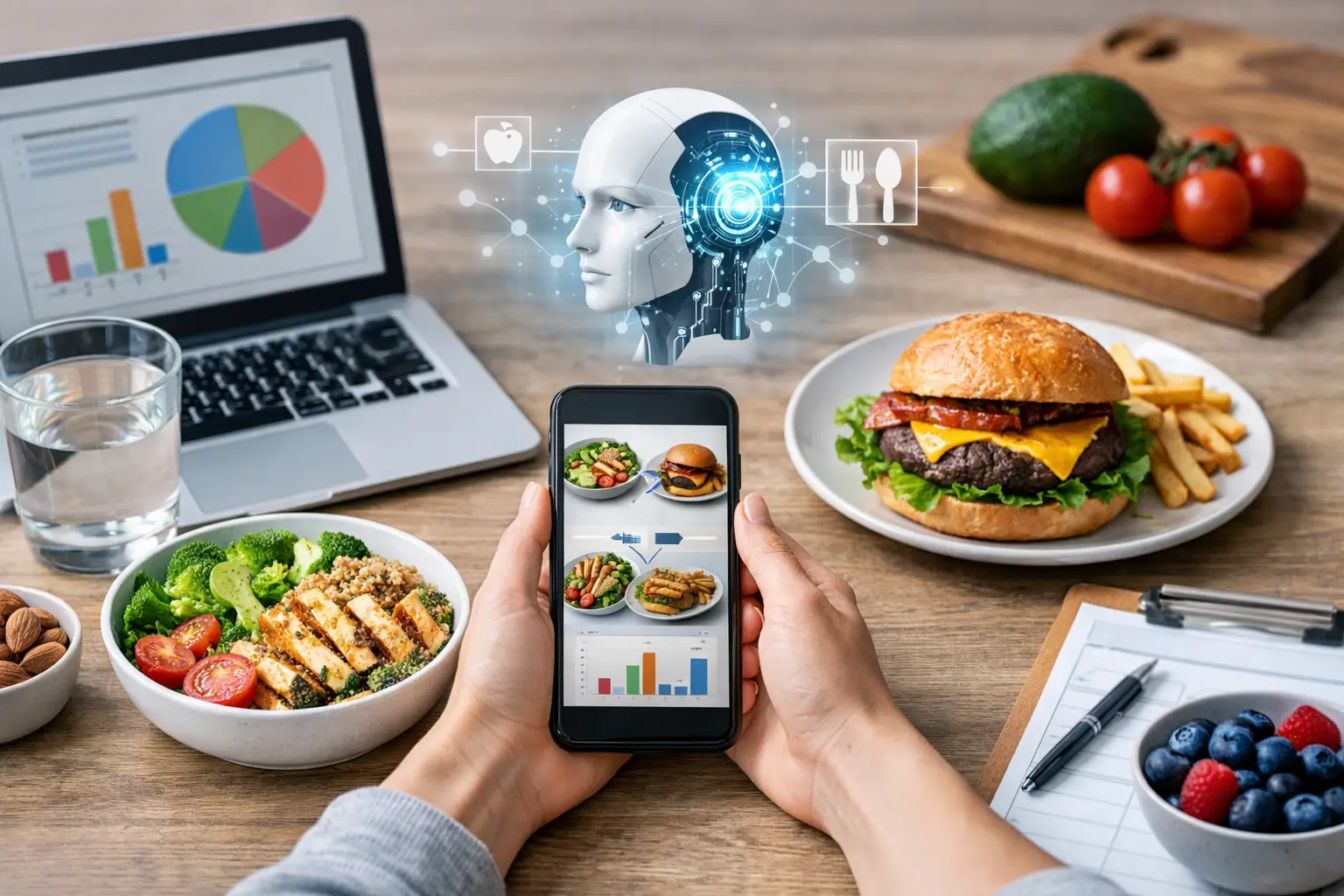
Most nutrition coaches do not hit a ceiling because they lack knowledge. They hit it because meal delivery turns into admin drag. Building plans manually, adjusting macros in separate tools, answering the same food swap questions, and chasing check-in data can eat hours every week. That is exactly where meal planning software for nutrition coaches stops being a nice-to-have and starts becoming operating infrastructure.
The right system does more than generate a meal plan. It helps you prescribe with more precision, monitor adherence, make faster adjustments, and deliver a client experience that feels structured rather than improvised. If your current process still depends on spreadsheets, PDFs, messaging apps, and a food tracker that lives somewhere else, you are not just losing time. You are creating friction that clients feel every day.
What meal planning software for nutrition coaches should actually solve
A lot of tools market themselves as meal planners, but many are really just recipe libraries with a calorie target attached. That is not enough for a professional coaching business.
A nutrition coach needs software that supports the full workflow from prescription to compliance. That includes setting calorie and macro targets, building individualized meal structures, offering food substitutions, tracking adherence, reviewing biofeedback, and adjusting plans based on progress. If those steps happen in separate systems, your coaching quality becomes dependent on how well you can manually stitch them together.
That fragmentation creates predictable problems. Clients miss details because the plan lives in one place and messaging lives in another. Coaches lose context because check-in data is disconnected from nutrition delivery. Updates take longer because every adjustment means duplicating work. When your client load grows, those inefficiencies grow with it.
Good software reduces those handoffs. Great software turns them into one connected coaching flow.
The difference between a meal generator and a coaching system
This is where many coaches make the wrong buying decision. A standalone meal plan generator may look efficient at first because it can output something quickly. But speed at setup is only one part of the job.
The real question is whether the software helps you coach after the plan is delivered. Can you see whether the client is compliant? Can you tie nutrition adherence to body weight trends, training performance, hunger, digestion, and recovery? Can you modify a plan without rebuilding everything from scratch? Can the client access meals, habits, check-ins, and communication in one mobile experience?
If the answer is no, the tool may save a few minutes upfront while costing hours later.
For most online nutrition coaches, the better investment is a platform that combines meal planning with macro management, progress review, check-ins, habit tracking, and client communication. That structure supports actual decision-making, not just plan creation.
Features that matter most in meal planning software for nutrition coaches
Precision matters, but so does usability. The best platforms balance both.
Macro-based planning should be non-negotiable. Many clients do not need rigid meal templates forever, but they do need clear nutritional targets that align with their goal, training phase, and adherence level. Your software should let you assign calories and macros, then translate those into practical meals without making every plan feel generic.
Food flexibility also matters. Clients stick to plans longer when they can swap foods without guessing whether they are breaking the structure. Smart food substitutions, equivalent meal options, and editable meal frameworks make compliance more realistic in the real world.
Automation is another major separator. If the platform can suggest adjustments, surface low compliance, flag inconsistent check-ins, or speed up repetitive coaching tasks, it gives you leverage. That does not replace your expertise. It protects it from being buried under administration.
Client-facing design is often overlooked, but it directly affects retention. A plan that is technically sound but awkward to follow will underperform. Mobile access, clean meal presentation, habit prompts, progress visibility, and easy messaging all increase the odds that clients actually execute.
Then there is data. Meal planning software should not stop at food prescription. It should help you connect adherence to outcomes. That means body composition trends, weight change velocity, hunger ratings, energy levels, digestion, and training quality should be reviewable in the same environment where you manage nutrition.
Why disconnected tools hurt coaching quality
Some coaches try to build a stack from separate apps because each tool does one thing fairly well. One app for meal plans, another for messaging, another for check-ins, and another for progress tracking. On paper, that can look flexible. In practice, it usually creates operational drag.
Every extra platform adds friction for both coach and client. Clients forget where to log things. Messages get lost. Updates are delayed because the coach has to gather information from multiple systems before making a decision. Even worse, a disconnected stack makes your service feel pieced together instead of professional.
That matters more than many coaches realize. Clients are not only paying for nutrition knowledge. They are paying for confidence, clarity, and consistency. A centralized coaching portal strengthens perceived value because the service feels organized, data-driven, and intentional.
From a business perspective, centralization also makes scale more realistic. You can manage more clients when delivery is standardized, repeatable, and visible in one place. That is hard to do if your workflow depends on copying data between tabs and sending corrective voice notes after the fact.
How software improves compliance, not just convenience
The strongest argument for better software is not that it saves coaches time, even though it does. It is that it can improve client adherence.
Nutrition results are heavily influenced by consistency. Research on behavioral adherence repeatedly shows that self-monitoring, structured feedback, and simplified decision-making support better long-term follow-through. In coaching terms, that means clients do better when expectations are clear, friction is low, and accountability is built into the process.
Meal planning software can support those conditions when it is designed correctly. Habit tracking helps reinforce daily actions. Compliance scoring gives coaches an objective way to spot risk before results stall. Check-in analysis adds context so you are not reacting only to scale weight. Smart food suggestions reduce decision fatigue. When all of that is connected, clients get a system that is easier to follow and easier to recover within when life gets messy.
That last point matters. Perfect compliance is rare. The goal is not rigid control. The goal is creating a structure that helps clients make better decisions more often and get back on track faster when they drift.
What to look for before you choose a platform
Start with your delivery model. If you coach gen pop clients who need flexibility and education, your software should support macro targets, simple meal structures, and easy substitutions. If you coach physique or performance clients, you may need tighter nutritional control, phase-based adjustments, and closer integration with training variables.
Next, look at how the platform handles scale. Can it support a growing roster without forcing you into more manual work? Features like automation, templating, AI-assisted planning, and check-in workflows matter more once you are juggling dozens of recurring clients.
It is also worth evaluating whether the software strengthens your brand. White-label presentation, a polished mobile app, and a professional client dashboard are not vanity features. They shape retention because they make your service feel established and premium.
Finally, consider trade-offs honestly. Some highly customizable systems require more setup. Some simpler tools are faster to learn but may cap your ability to personalize or automate. The right choice depends on whether you need a lightweight planner or a real coaching operating system.
For coaches who want both nutrition precision and operational efficiency, an integrated platform like CoachingPortal makes more sense than a standalone meal tool. When meal planning, macros, habits, messaging, analytics, and check-ins live in one place, you spend less time managing software and more time making high-value coaching decisions.
The best meal planning software does not make you look busier. It makes your service tighter, your decisions faster, and your client experience harder to leave. If your nutrition coaching business is growing, that shift is not optional for long. It is the difference between managing more clients and actually coaching them well.
A good system gives you back hours. A great one gives you back attention, and that is what your clients feel most.