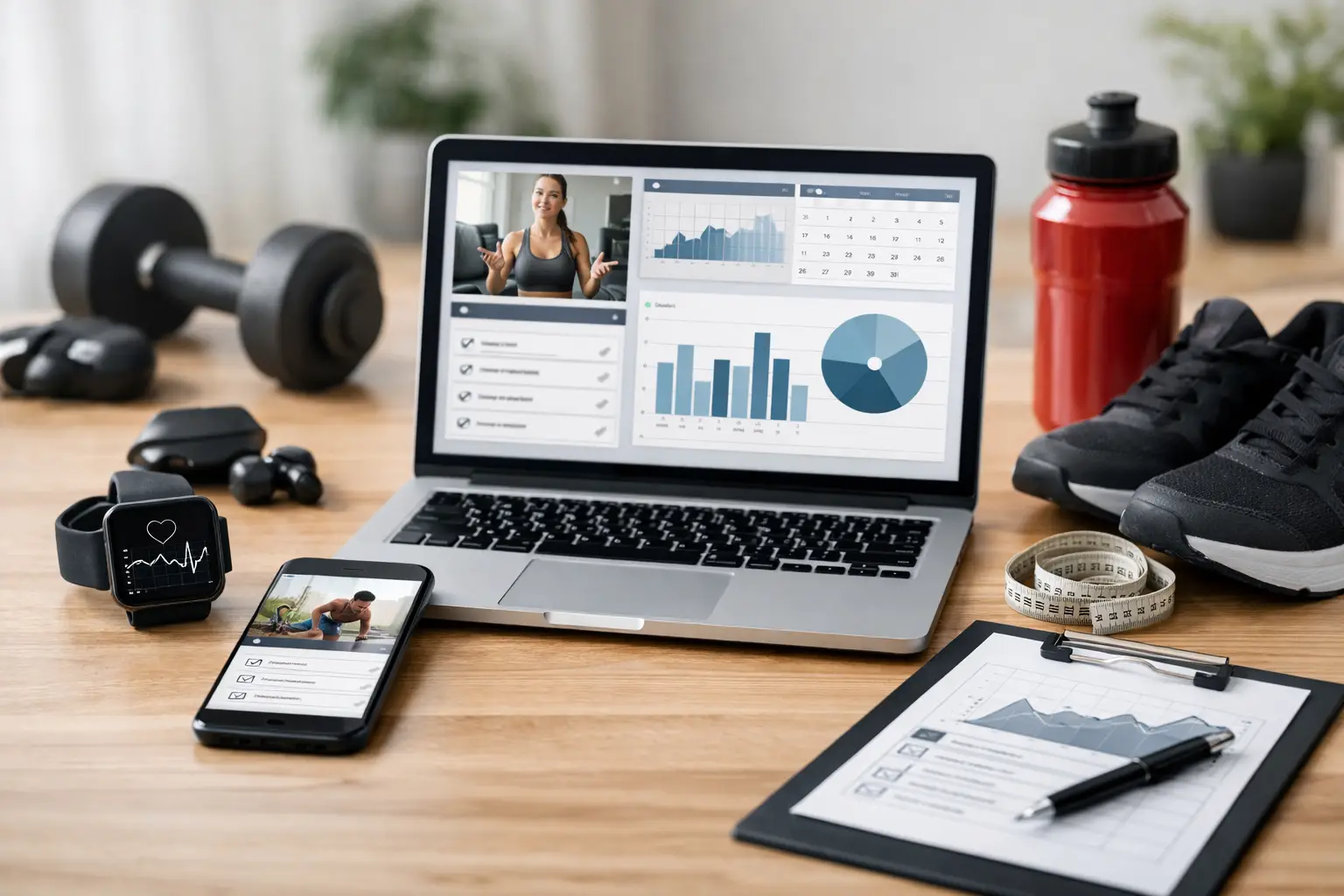
Most coaches do not have a coaching problem. They have a systems problem. When programming lives in one app, check-ins come through email, nutrition sits in spreadsheets, and client messages pile up in DMs, delivery gets slower and less consistent. That is why the search for the top online coaching tools usually starts with convenience, but it should end with a better service model.
For fitness coaches, nutrition coaches, and online personal trainers, the right toolset is not just about saving time. It affects retention, perceived professionalism, client adherence, and how many people you can coach well without burning out. The strongest tools reduce admin, tighten feedback loops, and help you make better decisions faster.
What separates top online coaching tools from average software
A lot of software looks impressive in a demo. The real test is what happens in week six, when you are handling 40 check-ins, updating macros, adjusting training loads, and trying to keep client communication personal. Average tools create more tabs. Top tools create more control.
In practice, that means a few things. First, the platform should support your actual coaching workflow, not force you into a generic CRM setup. Second, automation should remove repetitive tasks without making your service feel automated. Third, the client experience needs to be clear and mobile-friendly, because adherence usually drops when execution gets inconvenient.
There is also a business layer here. If your software stack grows by adding separate apps for programming, nutrition, forms, messaging, payments, and habit tracking, your monthly spend rises while your operations get messier. Sometimes the best tool is not the one with the deepest single feature. It is the one that replaces five moving parts with one reliable system.
1. Coaching platforms built for delivery
If you coach clients on training, nutrition, or body composition, your core platform matters more than any add-on. This is where workouts are delivered, habits are tracked, check-ins happen, and progress gets reviewed. For most serious coaches, this should be the center of the stack.
A coaching-specific platform is usually the strongest option because it keeps the feedback loop tight. You can review compliance, adjust the plan, communicate changes, and maintain accountability in one place. That reduces missed details and shortens response time.
This category becomes even more valuable when the system includes automation. Features like progression management, compliance scoring, meal plan adjustments, and check-in analysis help coaches focus on decisions instead of data entry. That is not about replacing expertise. It is about protecting it from low-value admin work.
For coaches who want one system to run programming, nutrition, messaging, check-ins, analytics, and branding, an all-in-one platform like CoachingPortal makes the most sense. The upside is operational efficiency and a more professional client experience. The trade-off is that setup matters. A platform with more capability takes more intention to configure properly than a lightweight app.
2. Programming tools for strength and hypertrophy coaching
Not every coach needs advanced training infrastructure, but strength coaches, physique coaches, and hybrid trainers usually do. If your service depends on progression logic, exercise substitutions, training volume management, and periodized planning, a basic workout builder will feel limiting fast.
The best programming tools let you scale quality. Templates, exercise libraries, progression rules, and auto-adjustments can speed up delivery without turning every client into the same plan. That balance matters because personalization is not about writing every program from scratch. It is about adjusting the right variables based on the client in front of you.
A good programming tool should also support the way clients actually train. That means clear exercise videos, simple logging, mobile usability, and enough flexibility for home, gym, and travel setups. If the coach experience is advanced but the client experience is confusing, adherence takes the hit.
3. Nutrition coaching tools that go beyond meal PDFs
Nutrition is where many coaching businesses still lose time. Static PDFs and manual macro edits may work at low volume, but they create friction as your roster grows. Strong nutrition tools make changes faster, improve clarity for clients, and support better compliance.
For macro-based coaching, look for software that allows direct target adjustments, food logging visibility, habit tracking, and meal structure that fits the client’s lifestyle. For higher-touch nutrition services, meal planning support and smart food suggestions can reduce decision fatigue for both coach and client.
There is a trade-off here. Extremely detailed nutrition tools can be powerful for coaches who work with physique competitors or precision-focused clients, but they may be unnecessary for general fat loss clients who need simple habits and consistency. The top online coaching tools are flexible enough to support both ends of that spectrum.
4. Check-in and assessment systems
Weekly check-ins are where coaching quality often gets won or lost. If clients submit updates through random forms, email threads, or voice notes scattered across apps, review quality drops. That makes your adjustments slower and less precise.
A strong check-in system captures the right data in a repeatable format. That can include body weight trends, progress photos, compliance scores, training performance, biofeedback, hunger, sleep, stress, and recovery markers. Once that data is organized, your decisions improve because patterns become easier to spot.
This is also one of the clearest opportunities for automation. Tools that summarize check-ins, flag changes, and highlight adherence issues save real coaching time. Better yet, they help standardize quality if you are building a team. The danger is over-collecting data. If every check-in feels like homework, clients disengage. The best setup gives you enough signal without creating friction.
5. Messaging and accountability tools
Fast communication matters, but constant communication does not equal good coaching. Coaches who rely on DMs, text threads, and multiple messaging apps often feel responsive while becoming less organized. Important context gets buried, boundaries blur, and clients start expecting support through every channel.
Messaging works best when it lives inside the coaching environment. That keeps conversations connected to workouts, nutrition, and check-in history. It also creates a cleaner professional standard. Clients know where to reach you, and you know where to find the full context before responding.
Accountability tools matter just as much as messaging itself. Habit completion, training streaks, meal adherence, and reminders can keep clients engaged between formal check-ins. Small actions drive consistency, and consistency drives results. From a retention standpoint, daily engagement often matters more than occasional motivational messages.
6. Analytics and client progress dashboards
Coaching gets stronger when decisions are based on trends instead of guesswork. Analytics tools help you see what is actually happening across your roster. That includes compliance rates, body weight trends, strength progression, missed workouts, nutrition adherence, and response rates.
For solo coaches, dashboards help prioritize attention. You can quickly identify who needs intervention, who is coasting, and who is ready for progression. For larger teams, analytics create consistency and oversight.
Not every coach needs advanced reporting, but most growing businesses need more visibility than spreadsheets can realistically provide. The key is keeping metrics practical. If the dashboard looks impressive but does not change your actions, it is noise. If it helps you coach faster and more accurately, it is infrastructure.
How to choose from the top online coaching tools
The right choice depends on your delivery model. If you sell high-touch body composition coaching, you need integrated training, nutrition, check-ins, and communication. If you mainly deliver programs at scale, content delivery and automation may matter more than deep nutrition features. If you are a hybrid coach with in-person and online clients, scheduling and mobility may be more important than advanced analytics.
Start with your bottleneck. If admin is the issue, consolidate. If adherence is the issue, improve the client experience and accountability systems. If scaling is the issue, prioritize automation and standardization. Too many coaches buy software based on features they might use instead of problems they already have.
Also consider the client-facing side, not just the coach dashboard. A polished app experience supports retention because clients are more likely to engage with something that feels structured, branded, and easy to use. That matters more than most coaches think. Professional delivery shapes perceived value.
The strongest stack usually has one central operating system and very few extras. Every added tool should solve a specific problem that the main platform cannot. If you are stacking apps out of habit, not necessity, your business is probably carrying more friction than it needs to.
Good coaching still comes down to judgment, communication, and consistency. But better systems make those strengths easier to deliver at scale. Choose tools that reduce noise, tighten execution, and give your clients a clearer path to results. That is where software stops being an expense and starts acting like performance infrastructure.