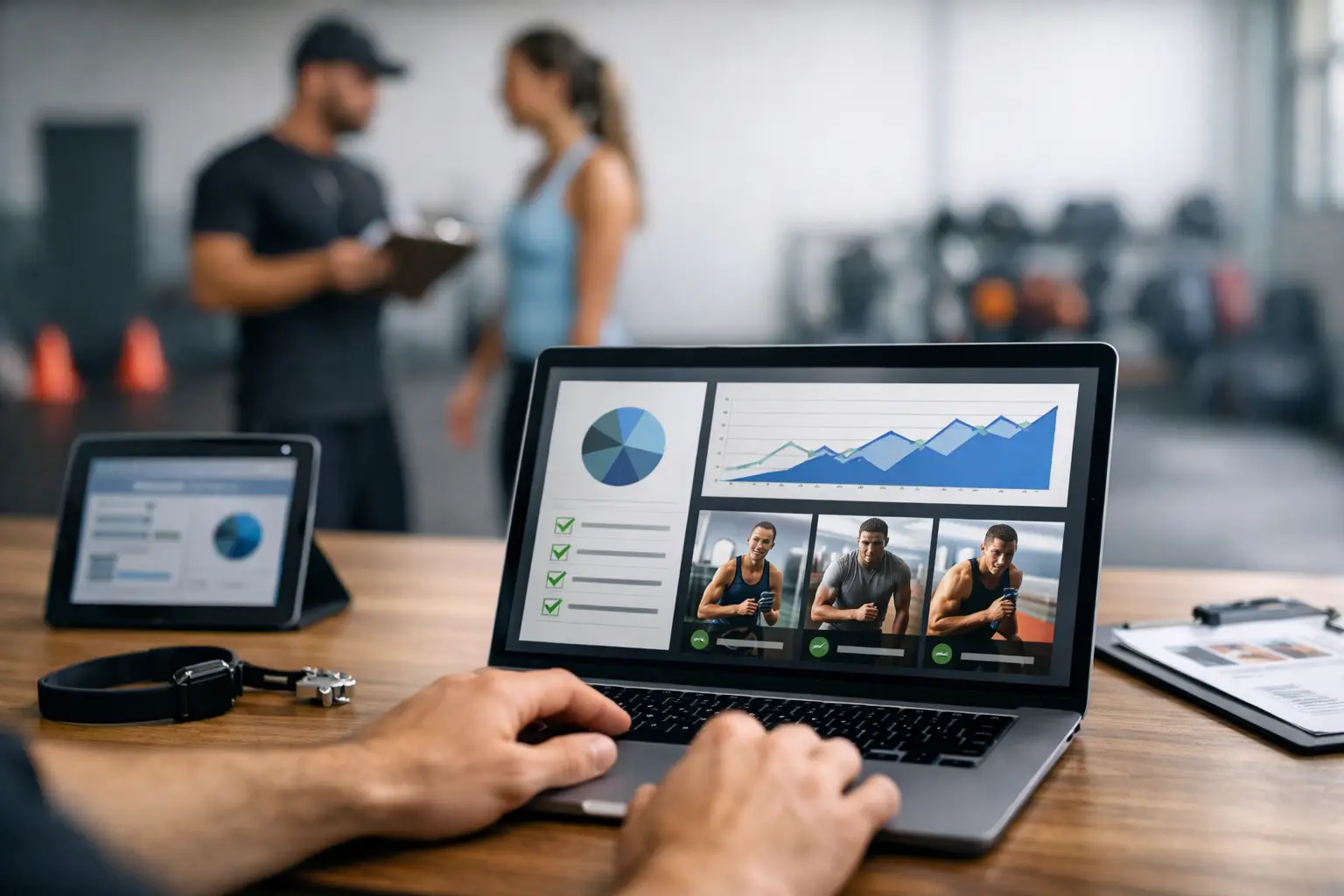
A client says they are fully committed, but their check-ins are late, workouts are half-finished, step count is dropping, and nutrition logs are inconsistent. That gap between intention and behavior is where coaching gets won or lost. Coach compliance tracking software gives you a way to measure that gap in real time, so you can coach based on actual adherence instead of guesswork.
For fitness coaches, nutrition coaches, and online trainers, compliance is not a side metric. It is the operating system behind results. A great program means very little if the client is only following it three days out of seven. The challenge is that most coaches still track adherence across spreadsheets, messages, calendar reminders, and separate nutrition apps. That setup creates lag, misses patterns, and burns time that should be spent coaching.
What coach compliance tracking software should actually do
At a basic level, coach compliance tracking software should show whether clients are doing the work. But basic is not enough if you are running a business with recurring client delivery. You need a system that turns daily actions into usable coaching signals.
That means tracking more than whether a client checked a box. Good compliance software should connect workouts completed, cardio targets, habits, meal adherence, macro intake, body weight trends, check-in completion, and communication patterns into one view. When those inputs sit in separate systems, you lose context. When they sit together, you can spot whether a stalled result is a programming problem, a nutrition issue, or simply low adherence.
The best platforms also score compliance in a way that is easy to interpret. A coach should be able to look at a client dashboard and know within seconds who needs intervention, who is progressing well, and who is at risk of churning. That saves time, but more importantly, it improves coaching quality. Fast visibility creates faster decisions.
Why compliance tracking matters more as you grow
When you are coaching 10 clients, you can often keep a lot in your head. At 30, 50, or 100 clients, memory stops being a system. That is where compliance tracking shifts from useful to necessary.
Growth creates two problems at once. First, admin expands. You are chasing check-ins, reviewing nutrition logs, answering repeat questions, and trying to notice subtle behavior changes across a larger roster. Second, the cost of inconsistency increases. If even a small percentage of clients feel unseen or unsupported, retention starts slipping.
Coach compliance tracking software helps solve both. It reduces manual review by centralizing the signals that matter, and it creates a repeatable process for intervention. Instead of relying on instinct alone, you can build workflows around objective thresholds. If training completion falls below a target for two weeks, you reach out. If meal adherence is high but weight loss is stalled, you adjust calories. If check-in consistency drops, you address engagement before the client disappears.
This is not about replacing coaching judgment. It is about giving judgment better inputs.
The difference between data collection and useful coaching data
A lot of software collects data. That does not mean it helps coaches make better decisions.
Useful compliance tracking is selective. It prioritizes the behaviors most tied to outcomes and presents them in a way that supports action. For a physique coach, that may mean weekly training completion, average macro adherence, daily weigh-in consistency, and check-in quality. For a lifestyle nutrition coach, it might mean habits completed, meal consistency, and messaging engagement. The right setup depends on the service model.
That is an important trade-off. More metrics are not always better. If your system tracks everything but surfaces nothing clearly, coaches end up with dashboard fatigue and clients feel over-monitored. Good coach compliance tracking software should let you define what counts, weight those behaviors appropriately, and avoid turning coaching into surveillance.
The strongest platforms also connect compliance with trend analysis. One bad week is usually not a crisis. Three weeks of declining adherence often is. Pattern recognition matters more than isolated data points, especially in body composition coaching where normal fluctuations can mislead inexperienced coaches.
Features that matter in coach compliance tracking software
If you are evaluating platforms, the question is not whether they include compliance tracking. Many tools claim that. The question is whether the compliance layer is built into your delivery workflow or bolted on after the fact.
Integrated workout tracking matters because exercise adherence is one of the clearest predictors of progress. If clients are missing key sessions or skipping prescribed volume, your program adjustments need to reflect that. Nutrition tracking matters for the same reason. A calorie target only works when intake is close enough and consistent enough to produce the intended effect.
Habit tracking is often underrated, especially for general population and lifestyle clients. Sleep, hydration, steps, and meal timing can be leading indicators of whether a client is moving in the right direction before scale weight changes. Check-in analysis matters because written feedback often reveals friction that hard numbers miss. Messaging history matters because communication lapses are often an early sign of dropout.
Automation is where the biggest efficiency gains show up. If software can score adherence automatically, flag low-compliance clients, summarize check-in trends, and surface likely problem areas, you cut down review time without lowering coaching standards. That matters for solo coaches and small teams alike.
A platform like CoachingPortal fits this model because compliance tracking is tied directly to programming, nutrition, check-ins, habits, analytics, and automation in one place. That centralization matters more than most coaches realize until they try to scale with disconnected tools.
How better compliance tracking improves retention
Most client churn does not start when someone cancels. It starts earlier, when motivation drops, routines break, and the client stops feeling momentum. If you only review outcomes at a surface level, you tend to react late.
Coach compliance tracking software helps you intervene earlier. You can catch the client who has been skipping workouts for nine days, the one who stopped logging food after a stressful work week, or the one who submits shorter and shorter check-ins. Those signals let you coach the obstacle, not just the result.
This has a direct business effect. Clients stay longer when they feel monitored intelligently, supported consistently, and guided with specificity. Telling a client to "get back on track" is weak coaching. Showing them that training adherence is still high while nutrition consistency has slipped on weekends gives you a real conversation and a real fix.
There is also a professionalism factor. A centralized compliance system makes your service feel more structured and higher value. Clients notice when their coach is organized, responsive, and using data well. That strengthens trust, which often matters as much as program design for long-term retention.
What to watch out for when choosing a platform
Not every coach needs the same level of complexity. If you run a very high-touch premium service with a small roster, you may want a system that allows flexible weighting and deep notes rather than heavy automation. If you are scaling a hybrid or team-based model, consistency and process control may matter more.
Be careful with platforms that require too much manual entry from either side. If coaches have to update compliance status by hand, the system eventually breaks. If clients need to jump between multiple apps to complete basic tasks, adherence drops before you even start measuring it.
Another common issue is shallow scoring. A single percentage without context is not enough. You want to know what is driving the score and whether the trend is improving or declining. Otherwise, you are looking at a number that feels useful but does not change your decisions.
Mobile experience also matters. Most clients live on their phones, not their desktops. If the logging flow is clunky or check-ins are hard to complete, your data quality suffers. That is not a minor product issue. It affects coaching accuracy.
The real value is operational, not just analytical
The headline benefit of coach compliance tracking software is better visibility. The deeper benefit is operational control.
When compliance tracking is built into your system, you standardize how coaching is delivered. You reduce mental load. You spend less time assembling information and more time acting on it. That creates room for higher-level work like refining programming, improving client communication, and expanding capacity.
For coaches who want to scale without turning their service into a generic template, this is the path. Better systems do not make coaching less personal. They make it more consistently personal because the right information is available at the right time.
If your current setup still depends on spreadsheets, scattered messages, and memory, that is usually the bottleneck. The coaches who grow well are rarely just better motivators. They are better operators.
The smartest move is not to track more for the sake of it. It is to build a coaching environment where adherence is visible, intervention is timely, and every client gets the kind of attention that actually changes behavior.