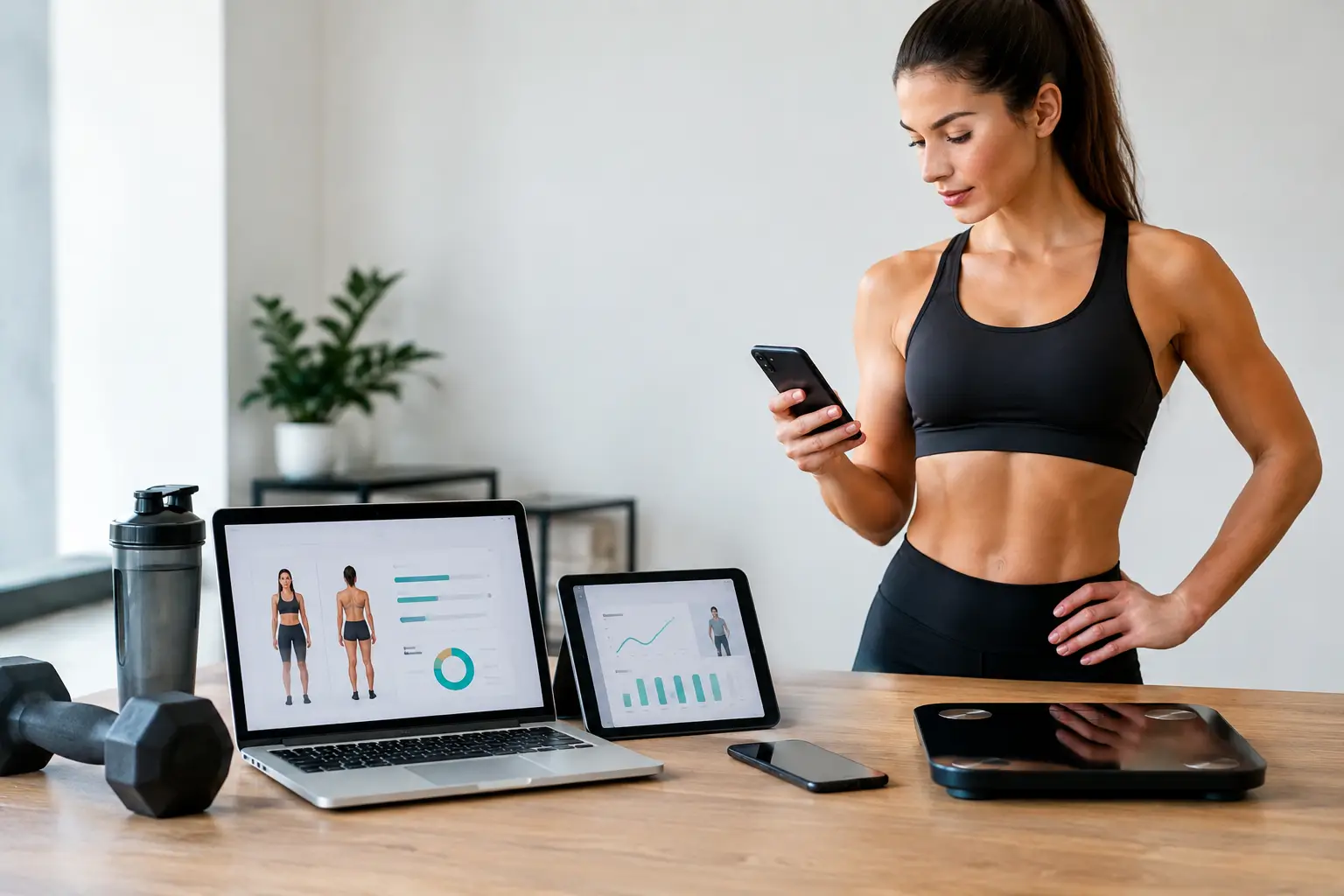
The coaching industry is moving fast. What worked for client management and program delivery a few years ago may already feel outdated. As 2026 approaches, coaches are looking for online coaching software that does more than just store client data. They want platforms that streamline daily workflows, integrate training and nutrition, and leverage artificial intelligence to save time. Whether you are a personal trainer, nutrition coach, or life coach, the software you choose can make or break your efficiency and client satisfaction.
This article breaks down the features that every coach should prioritize when selecting online coaching software for 2026. We will look at what leading platforms offer, where they fall short, and how newer solutions are closing the gaps.
Client Management and Communication
At its core, coaching software must handle the basics: client profiles, progress tracking, and messaging. Without a centralized system, coaches waste time jumping between spreadsheets, email, and separate apps. Modern platforms offer dedicated client dashboards where coaches can view training logs, nutrition adherence, and check-in responses in one place.
For example, TrueCoach markets itself as the "#1 Personal Trainer Software" and claims it is trusted by over 20,000 personal trainers, coaches, and gym owners. It provides tools for program delivery and client messaging. However, like many older platforms, its nutrition integration is often an add-on rather than a built-in component. In 2026, coaches benefit most when client management includes both training and nutrition data side by side.
Messaging within the software is no longer optional. Features such as in-app chat, automated reminders, and weekly check-in forms keep coaches connected with clients without relying on personal phone numbers or third-party apps. Platforms like Nudge Coach allow users to build coaching programs with video lessons and automated prompts, which helps maintain engagement between sessions.
Program Design and Periodization
Delivering customized workout programs is a core function of fitness coaching software. But in 2026, static PDFs or fixed weekly templates no longer cut it. Coaches need tools that support periodization, auto-regulation, and adaptive loading based on client performance.
Advanced platforms now include auto-periodization features that automatically adjust training blocks based on client data. For instance, some software uses RIR-based autoregulation, meaning that if a client reports lower reps in reserve, the system can reduce the prescribed load for the next session. This evidence-based approach is grounded in research such as Zourdos et al. on RIR autoregulation and Schoenfeld et al. on volume-hypertrophy relationships.
When evaluating software, look for built-in deload scheduling, the ability to create multi-block periodization, and integration with RPE or RIR scales. Many older platforms still rely on manual adjustments, which creates more work for the coach. The best online coaching software for 2026 automates these calculations so coaches can focus on strategy, not data entry.

Native Nutrition and Meal Planning
One of the biggest gaps in traditional fitness coaching software is nutrition. Many platforms treat meal plans as an afterthought, offering only basic calorie targets or requiring coaches to link external apps. In 2026, coaches should expect native nutrition tools that work as seamlessly as training programs.
Integrated meal plan builders with access to large food databases allow clients to log meals and see real-time macros. The best solutions include barcode scanning, recipe libraries, and auto-generated grocery lists. For example, CoachingPortal offers access to over 1 million foods from FatSecret and more than 17,000 recipes, along with a BMR/TDEE calculator that adjusts as client data changes.
Nutrition integration also means the software can handle meal swap suggestions when a client’s macros are off target. This kind of AI-driven support saves coaches from having to manually adjust each client’s menu every day. Without native nutrition, coaches end up juggling two separate tools, which increases administrative overhead and risks data fragmentation.
Artificial Intelligence and Automation
AI is rapidly becoming a standard feature in online coaching software, not a luxury. In 2026, coaches will rely on AI to handle repetitive tasks such as analyzing weekly check-ins, summarizing client progress, and suggesting program adjustments.
One example is CoachGPT, an AI assistant that reads weekly check-in responses and generates concise summaries of wins, concerns, and suggested changes. This allows coaches to review dozens of clients in minutes instead of hours. Similarly, food AI can suggest macro-friendly meal swaps when a client’s logged meals show nutrient gaps.
Coaches should look for platforms that include AI without requiring a separate third-party subscription. Many older software options charge extra for AI features or do not offer them at all. By 2026, having built-in AI tools will be a baseline expectation, not a differentiator.
Beyond AI, automation extends to scheduling. Automatic deload periods, load adjustments based on RIR, and even automated messaging for missed check-ins free up valuable time. Platforms that combine AI with evidence-based algorithms give coaches a competitive edge while improving client outcomes.

White-Label and Branding Options
Professional coaches invest heavily in building their own brand. Handing clients a login page that advertises another company’s name undermines that effort. White-label capabilities allow coaches to present the software as their own, including custom logos, colors, and even a branded subdomain.
Some platforms reserve white-labeling for premium tiers. However, a growing number of modern solutions offer it on every plan, including free tiers. For example, CoachingPortal provides full white-label on all plans, meaning even coaches with a handful of clients can give their clients a completely branded experience in the mobile app and web dashboard.
When evaluating online coaching software, check whether client-facing elements like the app, email invitations, and progress reports can be customized. If the software still shows “Powered by [Company],” you may want to look for a more coach-centric solution.
Pricing Models and Scalability
Pricing remains a major factor for coaches, especially those just starting out. Traditional platforms often charge per-client fees or require a substantial monthly subscription for full features. In contrast, some newer platforms offer flat-rate pricing with unlimited clients or free tiers for smaller operations.
QuickCoach, for example, offers free coaching software for fitness coaches for up to 20 clients. That can be a great entry point for part-time coaches. However, as the business grows, coaches may need more advanced features like automated periodization, nutrition tools, and AI summarization, which are not always included in free plans.
Teachable, a platform primarily for course creation, claims over $10 billion earned by creators and 100 million students served. While Teachable is not coaching-specific, some coaches use it to deliver pre-recorded programs. The average price of coaching services on Teachable is over $200, but the platform lacks native training and nutrition tracking.
Enterprise coaching platforms like CoachHub serve over 1,000 enterprise companies including Toyota, Asics, Virgin Atlantic, and Coca-Cola. CoachHub uses AI-based coach matching and claims 3,500+ international certified coaches. These solutions are designed for organizations, not individual trainers. For a solo coach or small studio, the cost is likely prohibitive.
In 2026, the ideal pricing model is transparent and predictable. Flat monthly fees without per-client overage charges allow coaches to scale without sudden cost spikes. Before committing, coaches should verify whether the free trial (such as TrueCoach’s 14-day free trial) includes full access to all features or just a limited preview.

Cross-Platform Access and Device Compatibility
Clients expect to access their programs anytime, anywhere. Online coaching software must offer native mobile apps for both iOS and Android, in addition to a web dashboard. Some platforms also support device syncing, such as step tracking via Apple Health or Health Connect.
Mobile web access is a fallback, but a dedicated app provides a smoother experience for logging workouts, scanning barcodes, and viewing meal plans. For coaches, being able to manage the roster from a phone or tablet is essential when away from the desk.
A Reddit user in the personal training subreddit stated that Trainerize and Everfit are the two best online coaching software they have tried. While this is an opinion, it highlights that user experience on mobile is a top priority for many coaches. When comparing platforms, test the client app and the coach admin app side by side.
Frequently Asked Questions
What is online coaching software?
Online coaching software is a digital platform that helps coaches manage clients, deliver training programs, track nutrition, communicate, and automate administrative tasks. It replaces the need for separate scheduling apps, spreadsheets, and messaging tools, giving coaches one centralized dashboard.
How does AI improve coaching software in 2026?
AI automates time-consuming tasks like analyzing weekly check-ins, adjusting training loads based on RIR, and suggesting meal substitutions when macros are off. This lets coaches spend more time on personal coaching and less on data crunching.
Is there free online coaching software available?
Yes. QuickCoach offers free software for up to 20 clients. CoachingPortal provides a free forever plan for up to 5 clients with all features included and no credit card required. Free tiers are a good way to test a platform before committing financially.
What should I look for in white-label coaching software?
Look for custom subdomains, logo and color replacement, and branded client emails and mobile apps. Some platforms reserve white-labeling for expensive plans, so verify that the feature is included at your desired tier before signing up.
Do I need separate software for training and nutrition?
No. In 2026, the best online coaching software integrates both training and nutrition natively. Separate tools create extra work and data silos. An all-in-one platform like CoachingPortal combines workout programs, meal plans, check-ins, and AI automation in one client experience.