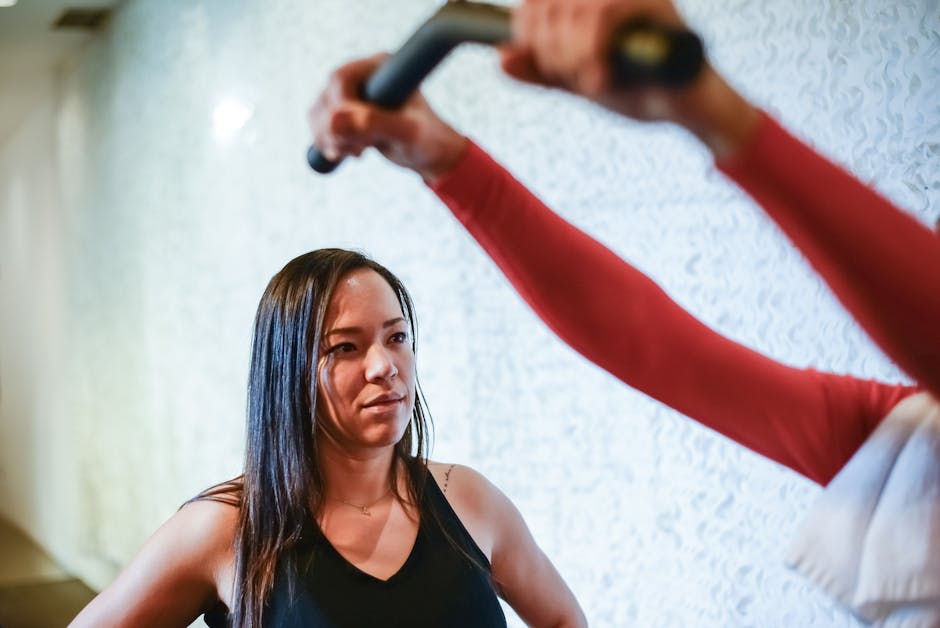
Fitness and nutrition coaching combines exercise programming with dietary guidance to help clients reach health and fitness goals more effectively. Rather than addressing workouts and meals separately, this integrated approach creates a balanced plan that supports sustainable progress. As interest in holistic health continues to grow, many professionals are expanding their services to include both training and nutrition coaching. This article covers the core concepts, certification paths, career options, and tools that can help you succeed in this field in 2026.
What Is Fitness and Nutrition Coaching?
The goal of fitness and nutrition coaching is to help clients with both their workout and diet plan to reach health and fitness goals faster. By working with a coach, clients receive a balanced health plan that includes an exercise plan and a meal plan. This dual focus addresses the two most important factors in body composition change: training stimulus and nutritional intake. Coaches who combine these skills can provide more comprehensive support than those who only offer programming or meal planning alone.

Certification Paths for 2026
Several respected organizations offer certifications that qualify professionals to provide fitness and nutrition coaching. The right choice depends on your goals, budget, and preferred learning style.
NASM Certified Nutrition Coach
NASM offers a Certified Nutrition Coach program that costs $899 or starts at $49 per month with 30% off. There are no required prerequisites to enroll. The exam consists of 100 multiple-choice questions, a 90-minute time limit, a 70% passing score, and up to three attempts. The course provides 1.9 CEUs. NASM personal trainers who add nutrition coaching earn 16% more than their peers, according to NASM data.
Precision Nutrition Certification
Precision Nutrition has been certifying professionals and transforming lives since 2005. They have coached over 150,000 clients and educated more than 175,000 professionals. Their offerings include the Level 1 Nutrition Certification, Level 2 Master Health Coaching Certification, and Sleep & Stress Management Certification. Precision Nutrition also provides 1-to-1 coaching for both women and men. Pricing details are not listed in the available data, so interested individuals should check the Precision Nutrition website for current costs.
ISSA Fitness and Nutrition Coaching
ISSA provides education that covers both fitness and nutrition coaching, often as part of a dual certification path. While specific pricing is not included in the available information, ISSA is a well-known provider in the industry. The median income for a personal trainer is $40,510 per year according to the Bureau of Labor Statistics (cited by ISSA), though earnings can vary based on certifications, experience, and business model.
Career Opportunities and Income Potential
Earning a certification in fitness and nutrition coaching opens several career paths. According to NASM, potential roles include Virtual Nutrition Coach, Dietitian, Personal Trainer, Nutrition Influencer, Nutrition Blogger or Writer, Podcast Host, Motivational Speaker, and Meal Prep Entrepreneur. Note that some titles, such as Dietitian, may require additional state licensing beyond a nutrition coaching certification. The NASM Certified Nutrition Coach program can serve as a starting point, but you should verify the legal scope of practice in your region.
Income can vary widely. While the BLS reports a median personal trainer salary of $40,510 per year, NASM data shows that trainers who add nutrition coaching earn 16% more than their peers. Combining fitness and nutrition coaching can therefore boost earning potential, especially when you build a strong client base and use efficient business tools.

How to Get Started as a Fitness and Nutrition Coach
Beginning your journey involves three main steps: education, certification, and business setup. First, choose a certification that fits your goals. Compare programs like NASM, Precision Nutrition, and ISSA. Factor in cost, prerequisites, exam format, and ongoing education requirements. Once certified, you need a system to deliver your coaching effectively. This includes designing training programs, creating meal plans, tracking compliance, and communicating with clients.
Using integrated software can simplify these tasks. A platform like CoachingPortal combines training program design and nutrition meal planning in one client experience. It also offers client management, weekly check-ins, compliance analytics, messaging, and AI automation such as auto-periodization and RIR-based load adjustment. Coaches can run their entire roster from a single tool, fully white-labeled under their own brand. For those just starting, CoachingPortal provides a free forever plan for up to five clients with all features, no trial expiry, and no credit card required. This allows new coaches to test and build their business without upfront costs.
Another option for professionals is to seek employment at gyms or studios that offer nutrition coaching. Crunch, for example, employs health coaches who assist clients through personalized meal plans and achievable goals. Kickoff offers personal training and nutrition coaching covered by insurance. If you prefer an independent path, virtual coaching platforms allow you to work with clients anywhere. Whichever route you take, investing in a reliable software solution will help you stay organized, deliver better results, and scale your practice.

Frequently Asked Questions
Do I need a certification to offer fitness and nutrition coaching?
While requirements vary by location and employer, earning a certification from a reputable organization like NASM, Precision Nutrition, or ISSA adds credibility and demonstrates competence. Many gyms and online platforms require a certification before you can coach clients. Always check local laws regarding the scope of practice for nutrition advice.
How much can I earn as a fitness and nutrition coach?
Income depends on certifications, experience, client volume, and business model. The median personal trainer salary is $40,510 per year, but NASM reports that trainers with nutrition coaching earn 16% more. Coaches who build a strong online presence or specialize in a niche can earn significantly more.
What tools do I need to run a coaching business?
A typical tech stack includes software for exercise programming, meal planning, client check-ins, and communication. Integrated platforms like CoachingPortal combine these features in one place, saving time and reducing errors. Other useful tools include a macro calculator, a 1RM calculator, and an RPE/RIR converter, many of which are available as free standalone tools.
Can I offer nutrition coaching without being a dietitian?
Yes, in many regions nutrition coaches can provide general healthy eating guidance and meal plans. However, they cannot diagnose medical conditions or prescribe therapeutic diets. Registered dietitians have advanced degrees and clinical training. Understanding your legal scope of practice is essential. Check your local regulations before starting.
Fitness and nutrition coaching continues to evolve, and 2026 presents opportunities for professionals who combine strong certifications, effective business practices, and the right technology. By integrating training and nutrition into one cohesive service, you can help clients achieve lasting results while building a rewarding career.