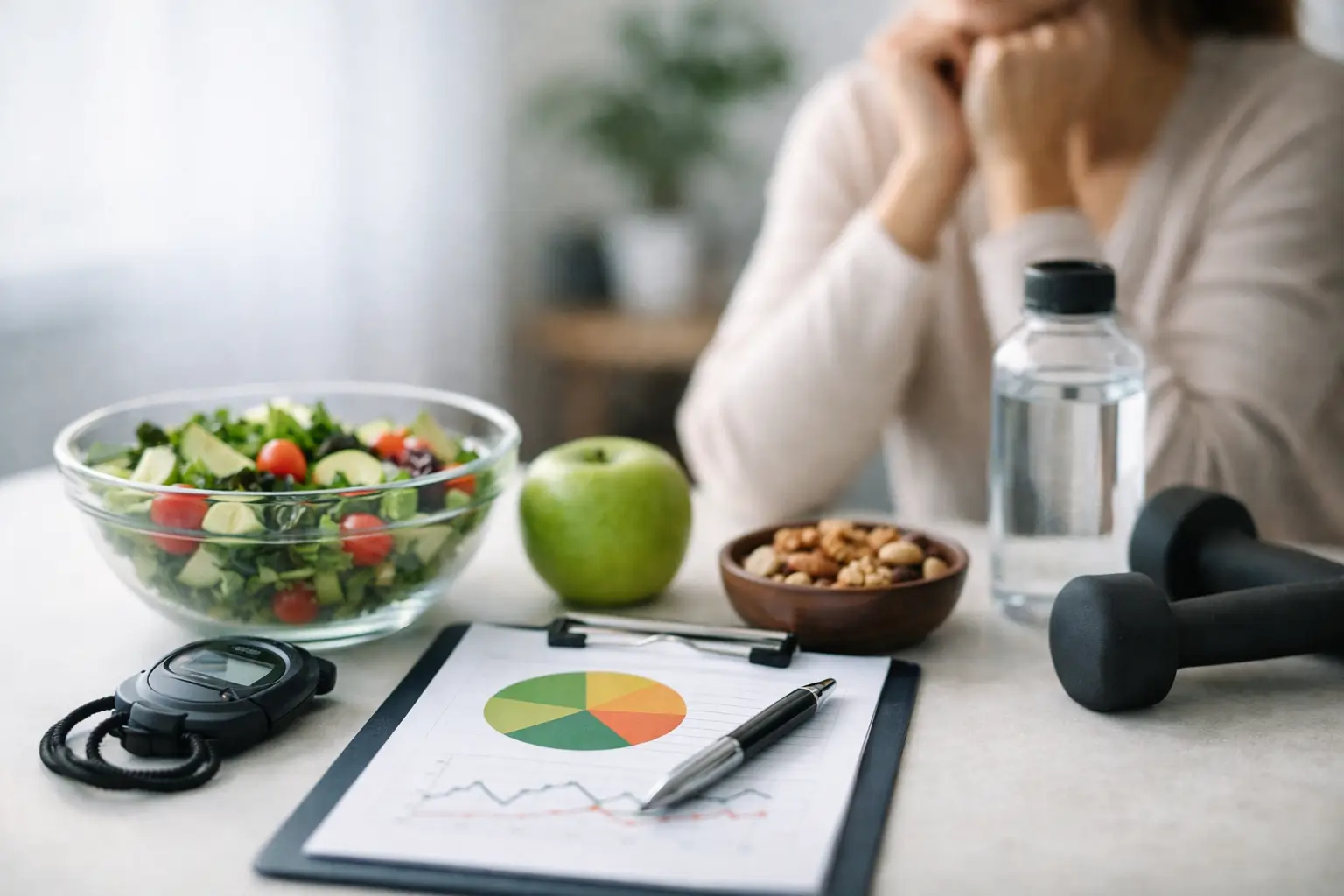
Why Meal Planning Matters for Self-Coached Athletes
Taking control of your own training and nutrition means making decisions that directly affect your performance and recovery. Without a coach handling your meals, planning becomes a personal responsibility, and one that pays off in multiple ways. According to a guide from the UK Sports Institute, meal planning saves money, reduces food waste, and frees up mental energy that would otherwise be spent on daily food decisions. It also ensures that quality food is always available, which supports consistent fueling around workouts. For self-coached athletes, a few hours of planning each week can eliminate the guesswork of what to eat before a session and what to prepare afterward.
The same guide highlights that meal planning facilitates batch cooking and makes it easier to stick to performance goals. When you already know your meals for the week, you spend less time thinking about food and more time focusing on your training. This is especially valuable for athletes who train alone and must balance work, life, and recovery without external support.
The Athlete Plate Method: A Simple Framework
The athlete plate method offers a visual shortcut to building balanced meals that align with your daily activity level. Developed by sports dietitians, this approach adjusts the proportions of vegetables, fruits, carbohydrates, and protein based on how hard you train. Rather than counting every gram, you fill a standard plate according to three intensity categories. Healthy fats are added as a garnish to each version. The method can be used at home, when eating out, or during meal prep, making it a practical tool for self-coached athletes.
Easy Athlete Plate (Light Intensity, Up to 1 Hour)
On lighter training days, such as a recovery run, easy swim, or low-intensity walk, your plate should be half vegetables and fruits. Carbohydrates and protein each take up a quarter of the plate. This composition keeps calories moderate while supplying micronutrients and fiber. Healthy fats such as avocado slices, nuts, or olive oil round out the meal as a garnish.
Moderate Athlete Plate (1 to 2 Hours of Training)
When your session lasts one to two hours, the plate is divided into three equal parts: one third vegetables and fruits, one third carbohydrates, and one third protein. This balanced distribution provides enough energy for sustained effort without overloading any one macronutrient. Healthy fats remain a garnish. This plate works well for a typical gym session, a moderate bike ride, or a team practice.
Hard Athlete Plate (2+ Hours or Twice-Daily Sessions)
For demanding training days exceeding two hours, or for athletes doing two sessions in the same day, carbohydrates take center stage. Fill half the plate with carbohydrate-rich foods such as whole grains, potatoes, or rice. The remaining half is split equally between vegetables and fruits (one quarter) and protein (one quarter). Healthy fats are still included as a garnish. This higher carb ratio replaces glycogen stores and supports recovery from high-volume or high-intensity work.
| Activity Level | Vegetables / Fruits | Carbohydrates | Protein | Fats |
|---|---|---|---|---|
| Easy (up to 1 hour) | 50% | 25% | 25% | Garnish |
| Moderate (1–2 hours) | 33% | 33% | 33% | Garnish |
| Hard (2+ hours or twice daily) | 25% | 50% | 25% | Garnish |
The athlete plate method emphasizes fueling performance rather than focusing solely on weight loss or gain. Self-coached athletes can use it to adjust meals based on their actual training load without needing a custom macro prescription.
Building Your Meal Bank
One of the most effective strategies recommended by the UK Sports Institute is to build a meal bank of ten recipes for each meal type, breakfast, lunch, dinner, and snacks. Having a short list of go-to dishes eliminates the daily question of what to eat. For a self-coached athlete, this means you can quickly assemble a plate that matches the right intensity category. Your meal bank can include simple options like oatmeal with fruit and eggs for breakfast, a quinoa bowl with chicken and vegetables for lunch, and stir-fry with rice and tofu for dinner. Snacks might include yogurt, nuts, or fruit. The key is to choose recipes that you enjoy and that fit your cooking skills and equipment.
Keeping the meal bank limited to ten per meal type prevents decision fatigue while still offering variety. Once you have your bank, you can rotate meals based on your training schedule. For example, a hard training day might call for the higher carbohydrate dinner option from your bank, while an easy day works with the lighter vegetable-heavy plate.
Batch Cooking for the Week
Batch cooking is a cornerstone of efficient meal planning for athletes. The UK Sports Institute outlines three main batch cooking methods that work well for self-coached athletes:
- Freezer meals: Cook large batches of meals such as soups, stews, or casseroles and freeze them in single portions. This method is ideal for days when you have little time to cook.
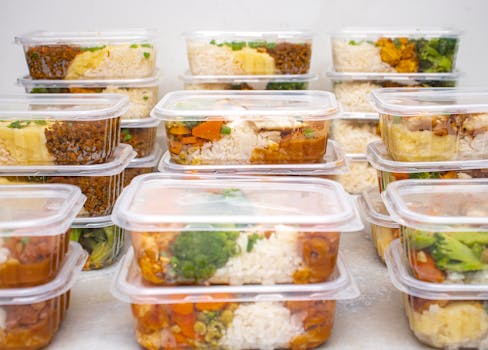
- Meal prep for the week: Dedicate one to two hours on a weekend to prepare ingredients or full meals for the upcoming week. For instance, cook a batch of rice, grill chicken breasts, chop vegetables, and portion them into containers.
- Plan leftovers: When cooking dinner, intentionally double the recipe so that leftovers become lunch or another dinner the following day. This approach reduces cooking frequency and makes use of extra portions.
Each method can be adapted to the athlete plate proportions. For example, you can pre-portion meals according to easy, moderate, or hard days and label them accordingly. This removes the need to think about portion sizes during a busy week.
Practical Tips for Success
The UK Sports Institute also offers three simple guidelines that apply directly to self-coached athletes: keep it simple, make it enjoyable, and make it convenient. Complicated recipes or elaborate prep routines are hard to sustain. Choose meals that require minimal ingredients and that you actually look forward to eating. Convenience can mean using pre-washed greens, canned beans, or frozen vegetables to cut down on prep time. Trying something new occasionally, like a different grain or a new spice, can prevent boredom without overcomplicating the process.
Another tip is to never shop for groceries when you are hungry. Shopping on an empty stomach often leads to impulse purchases that may not align with your performance goals. Following a meal plan and a shopping list based on your meal bank reduces the chance of buying extra foods that do not support your training.

How CoachingPortal Supports Self-Coached Athletes
While meal planning can be done with pen and paper, digital tools make the process faster and more accurate. CoachingPortal offers a self-coaching mode at self.coachingportal.io that includes a meal plan builder with access to over one million foods and more than 17,000 recipes. You can scan barcodes, track real-time macros, and generate grocery lists automatically. The platform also includes a BMR/TDEE calculator to help you set your energy needs. For self-coached athletes who want the structure of a professional coaching tool without hiring a coach, this platform provides an integrated solution that combines training templates, progress tracking, and nutrition in one place.
Because the meal plan builder is built on the same infrastructure used by professional coaches, you get evidence-based features like macro tracking and food swapping when your daily targets are off. This level of support can make meal planning more consistent and less time-consuming.
Frequently Asked Questions
Is the athlete plate method only for elite athletes?
No. The athlete plate method was designed for anyone with fitness goals, from recreational exercisers to competitive athletes. Its three activity levels make it adaptable to different training volumes, and it can be used whether you train alone or with a team. The key is matching the plate proportions to your actual session duration and intensity.
Can I use the athlete plate method for weight loss?
Yes, but the method is built around fueling performance first. If weight loss is a goal, you can still apply the easy or moderate plate on lighter training days, while focusing on nutrient-dense vegetables and lean proteins. The proportions help control portions naturally without requiring strict calorie counting. For more precise adjustments, you might combine the plate with a macro calculator.
How do I start building my meal bank if I have no recipes?
Start with five recipes you already enjoy for each meal type. Then search online for two or three new recipes that fit your cooking style and equipment. Write them down or save them in a note. Over time, your meal bank will grow to ten per meal type. The UK Sports Institute recommends keeping it simple and choosing meals that you can prepare in 30 minutes or less.
How often should I change my meal bank?
There is no fixed rule. Some athletes rotate their meal bank every few weeks to prevent boredom, while others stick with the same core recipes for months. The important thing is that the meals align with your training schedule and that you enjoy eating them. If you notice your performance dipping or your interest fading, update a few recipes.
Meal planning for self-coached athletes does not have to be complicated. By using the athlete plate method, building a meal bank, and setting aside time for batch cooking, you can fuel your training consistently without daily stress. Free digital tools like the ones available in CoachingPortal’s self-coaching mode can streamline the process, giving you more time to focus on what matters most, your performance.