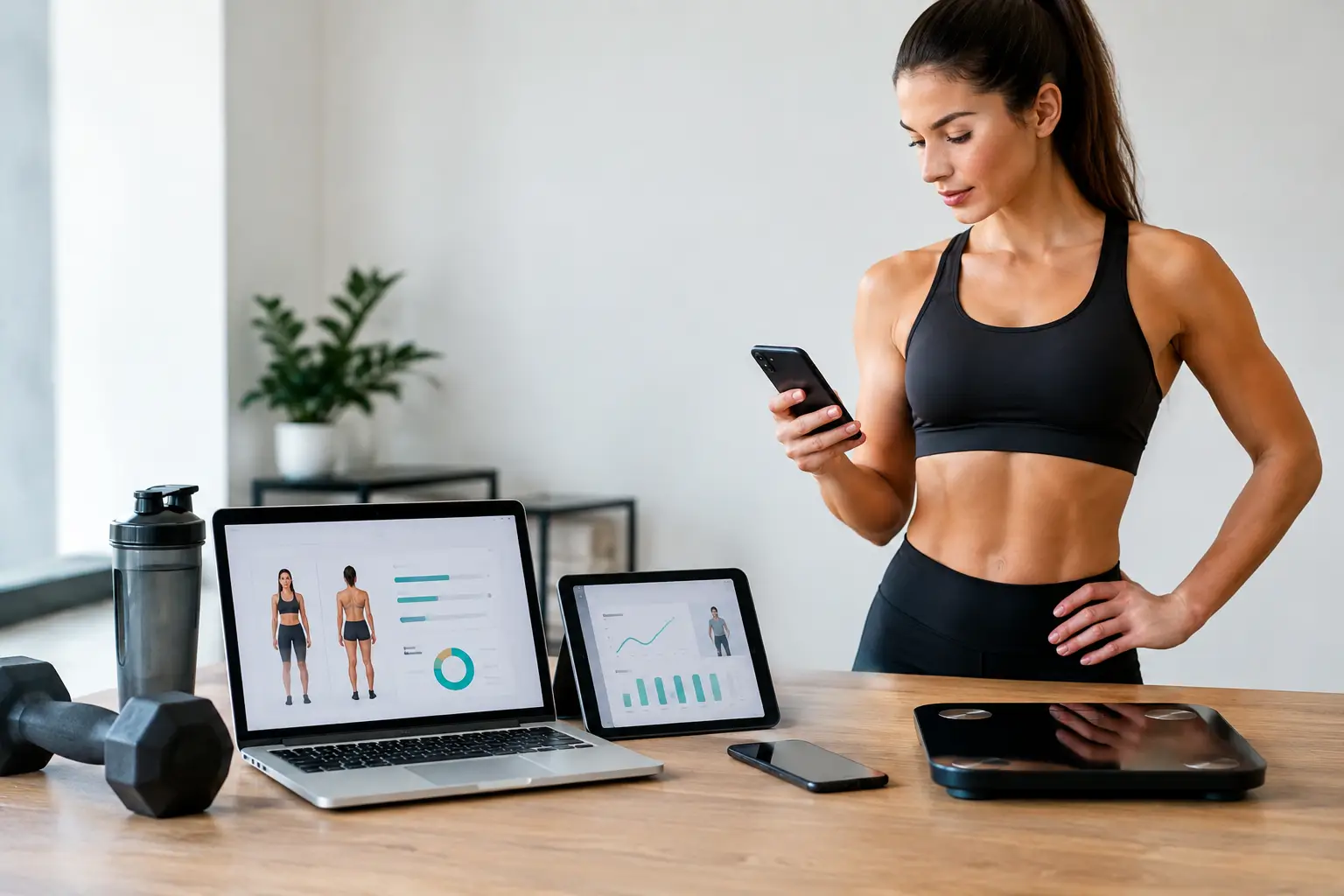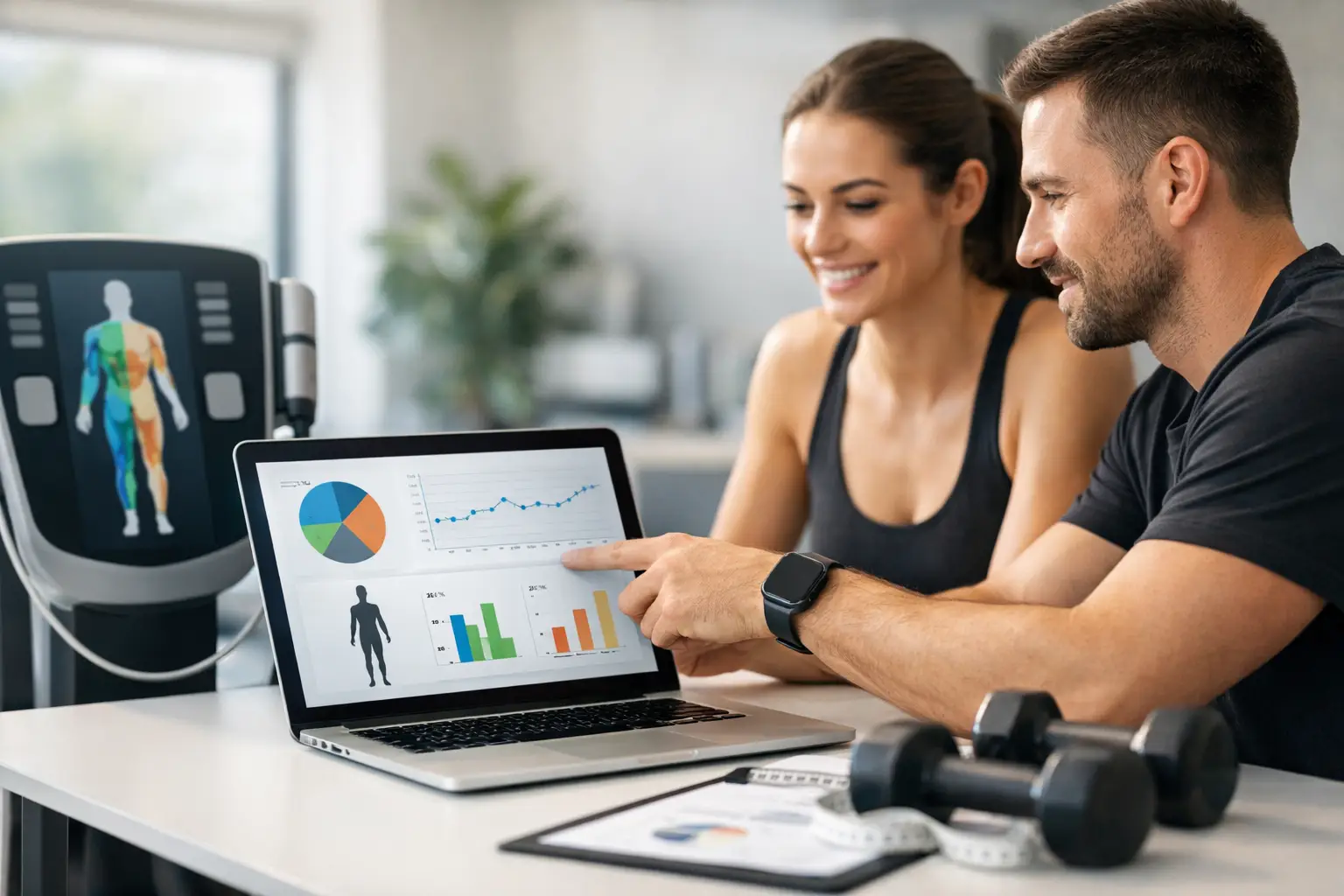
If you coach fat loss, muscle gain, or physique change, you already know the real bottleneck usually is not programming knowledge. It is delivery. Body composition coaching software matters because the quality of your system directly affects client compliance, speed of feedback, and how many people you can coach well without burying yourself in admin.
A lot of coaches still run high-ticket services through spreadsheets, separate meal apps, messaging tools, shared notes, and manual progress reviews. That setup can work when you have a small roster and a high tolerance for repetitive tasks. It breaks down fast once client volume grows, check-ins pile up, and every decision depends on you stitching together data from five different places.
The best platforms do more than store workouts and body weight. They help you run a repeatable coaching process around training, nutrition, accountability, and decision-making. For body composition coaching, that difference is not small. It changes whether you spend your week coaching or just managing logistics.
What body composition coaching software should actually solve
Most coaches do not need more apps. They need fewer handoffs, fewer missed details, and a clearer system for turning client data into action. That is the standard any body composition coaching software should be measured against.
At a minimum, the platform should centralize workout delivery, nutrition planning, progress tracking, check-ins, messaging, and habit adherence. If those functions live in different systems, you create friction for both sides. Clients miss tasks because the experience feels fragmented. Coaches lose time because every update requires context switching.
For body composition goals, the problem gets even more specific. Results depend on consistent execution across training volume, food intake, energy balance, recovery, and behavior change over time. A good platform helps you see those variables together. A weak platform leaves you guessing why progress stalled.
That matters because body composition outcomes are rarely driven by one metric. Scale weight can be noisy. Photos can be subjective. Circumference measurements can lag. Training performance may improve while fat loss slows. If your software cannot organize those signals in one place, your coaching decisions become slower and less precise.
The difference between generic fitness apps and body composition coaching software
Not every coaching app is built for body composition work. Some are basically workout libraries with chat. Others are meal planners with light accountability tools. They may look polished, but they are often missing the systems serious coaches rely on to drive measurable change.
Body composition coaching software needs stronger infrastructure. Coaches need progress photos, measurements, body weight trends, macro targets, compliance tracking, habit completion, and check-in responses tied to a timeline they can review quickly. They also need a way to adjust plans without creating hours of manual work every week.
This is where automation becomes valuable, but only when it is useful. Automation should reduce low-value repetition, not replace coaching judgment. Auto-periodization, progression suggestions, smart nutrition adjustments, and check-in analysis can speed up your workflow. They work best when they support evidence-based decisions instead of generating noise.
There is also a business angle here. Generic tools may be cheaper at first, but they often cost more in hidden inefficiency. If your team spends ten extra hours a week chasing updates, fixing nutrition documents, or manually reviewing compliance, the software is not really saving money.
Features that move the needle for coaches
The most useful platforms are built around the actual rhythm of recurring client delivery. That means the software should help you onboard clients fast, prescribe training and nutrition clearly, monitor adherence, review outcomes, and make adjustments without rebuilding the process every week.
Workout programming is the obvious piece, but for body composition coaching it needs depth. Coaches should be able to assign training by goal, phase, and progression logic rather than sending static PDFs or rebuilding templates from scratch. Auto-periodization is especially helpful for coaches managing larger books of business because it preserves structure while cutting manual edits.
Nutrition tools matter just as much. Meal planning, macro management, and food guidance should be flexible enough for different coaching styles. Some coaches want exact plans. Others coach with macro targets, portion-based systems, or habit-led nutrition. Good software supports those approaches without forcing one rigid model.
Check-ins are another major leverage point. If check-ins come in as long-form messages or scattered media files, review time balloons. A stronger system standardizes responses and pairs subjective feedback with objective metrics like body weight trends, adherence, training performance, and habit completion. You make better decisions when the data is organized before you open the client file.
Messaging should also live inside the same workflow. Fast communication improves client confidence, but separate messaging apps create gaps in context. When conversation history, compliance data, nutrition, and training are all in one place, you respond faster and with better precision.
Why data visibility improves body composition outcomes
Coaches often talk about accountability, but accountability is really just visibility plus action. Clients are more consistent when they know their behavior is being tracked clearly and reviewed regularly. Coaches are more effective when they can spot trends before those trends become problems.
This is one of the strongest cases for body composition coaching software. It gives structure to decisions that are otherwise easy to delay or overcomplicate. If a client is missing protein targets, skipping sessions, and reporting low sleep, you do not need more motivation language. You need a system that shows the pattern fast enough for intervention.
The same applies when progress is positive. Trend data helps you identify what is working so you can keep changes small and intentional. That matters in physique coaching especially, where over-adjusting too early can create unnecessary fatigue, lower adherence, or flatten performance.
Research consistently supports the value of self-monitoring, dietary adherence, and resistance training progression in body composition change. Software does not create those outcomes by itself. What it can do is make those behaviors easier to prescribe, track, and refine at scale.
The operational side most coaches underestimate
The software decision is not only about coaching quality. It is also about capacity. Every manual workflow you keep adds drag to growth. If client updates depend on custom spreadsheets, duplicated meal documents, or hand-built weekly reviews, you eventually hit a ceiling where more clients means lower service quality.
That ceiling shows up in predictable ways. Response times get slower. Programming becomes inconsistent. Check-ins get rushed. Retention starts slipping because the experience feels reactive instead of structured.
The right platform raises that ceiling. It helps you standardize delivery without making the coaching feel generic. That is the balance serious coaches should look for. Standardization handles the repeatable parts. Personalization stays where it matters most, in strategy, adjustment, and communication.
This is also where white-label presentation has practical value. A branded client experience does more than look professional. It reinforces trust, improves perceived service quality, and helps your business feel like a real coaching company instead of a collection of third-party tools.
How to evaluate body composition coaching software
Start with workflow, not feature count. A long feature list means very little if the platform forces awkward workarounds. Ask how quickly you can move from onboarding to delivery, how efficiently you can review a check-in, and whether the client experience supports daily adherence.
Then look at depth in the areas that drive body composition results. Can you track body weight trends, progress photos, measurements, habits, training performance, and nutrition adherence in one view? Can you adjust macros, meals, and programming without creating duplicate work? Can the platform support both one-on-one coaching and a growing roster?
It is also worth testing the mobile experience. Clients live on their phones. If logging food, viewing workouts, completing habits, or responding to check-ins feels clunky, adherence drops. Coaches tend to focus on the backend, but client usability is what keeps the system active between weekly reviews.
Finally, pay attention to automation quality. Smart features should make your coaching sharper and faster. If they create more cleanup work or produce recommendations you cannot trust, they are not helping. The best systems use automation to reduce repetitive tasks while keeping the coach in control.
For coaches who want one platform to handle programming, nutrition, check-ins, messaging, analytics, habits, and branded delivery, CoachingPortal reflects where this category is headed. Not toward more complexity, but toward tighter systems that improve both efficiency and results.
The real question is not whether you need software. It is whether your current setup helps you coach body composition at the level your clients are paying for. If it does not, better infrastructure is usually the fastest upgrade you can make.