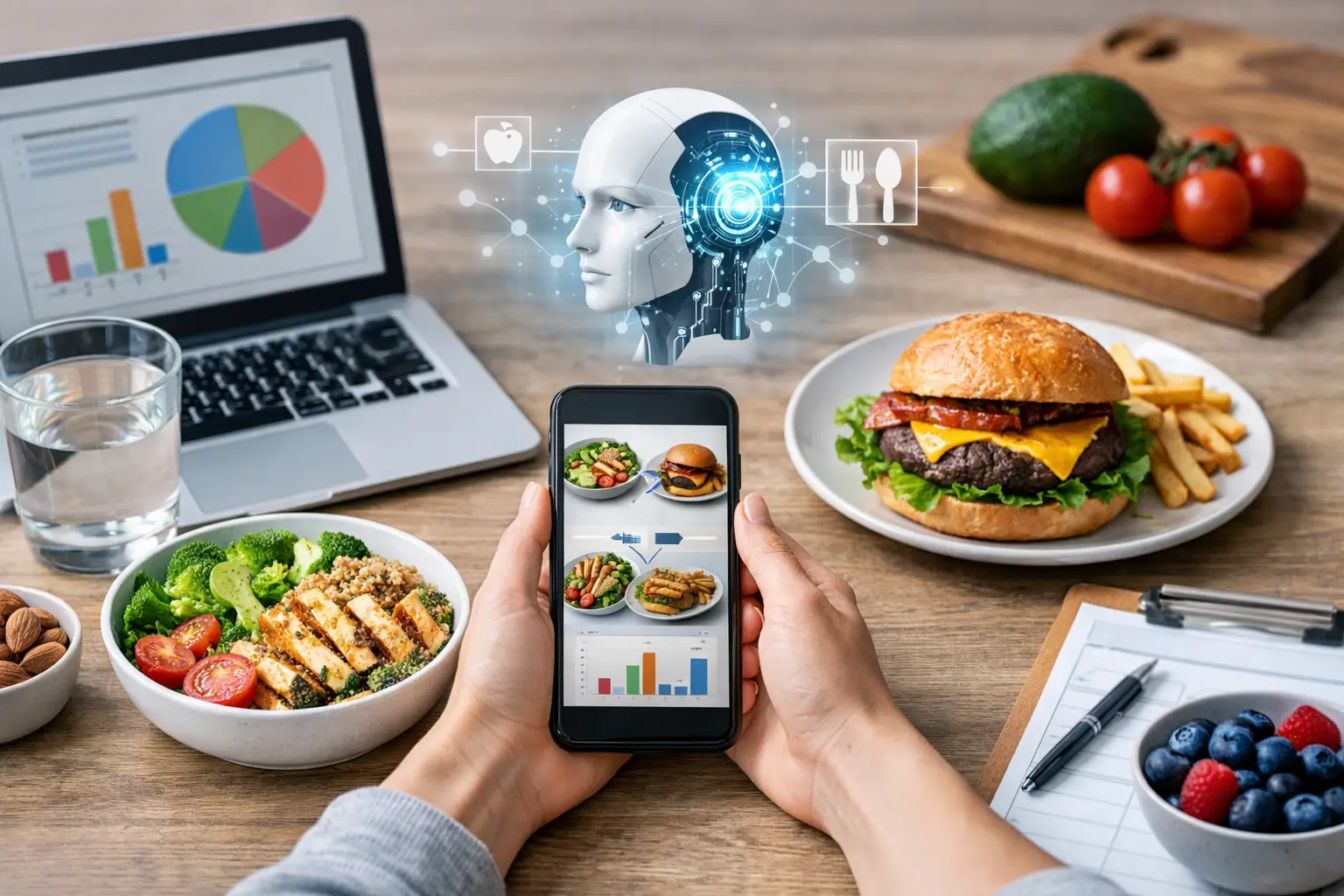
Most coaches do not hit a growth ceiling because they lack knowledge. They hit it because delivery breaks first. Programming lives in one place, nutrition in another, check-ins pile up in email or DMs, and client adherence becomes harder to monitor as the roster grows. That is exactly where a nutrition and training app for coaches stops being a nice-to-have and starts becoming core infrastructure.
If you coach both training and nutrition, your system matters as much as your methodology. A good app does more than store workouts and macros. It reduces admin, standardizes client delivery, improves compliance, and gives you cleaner data to coach from. The wrong one just gives you another dashboard to babysit.
What a nutrition and training app for coaches should actually solve
The real job of software is not to look modern. It is to remove friction from coaching operations while making the client experience more consistent. For a coach running recurring one-on-one or hybrid services, that usually comes down to four pressure points.
First, programming and nutrition need to work together. If clients are in a fat loss phase, high-volume hypertrophy block, reverse diet, or performance-focused surplus, training and food targets should reflect the same goal. When those systems are disconnected, coaching gets reactive. You spend more time fixing mismatches than progressing the client.
Second, check-ins need structure. Most coaches know that adherence drives results more reliably than perfect plans. Research on behavior change and self-monitoring consistently points to the value of frequent tracking, feedback, and habit visibility. But if weekly reviews are manual, consistency drops on both sides. Coaches rush through responses, clients get vague feedback, and key trends are easy to miss.
Third, client communication should support execution, not create noise. A strong coaching app keeps messaging tied to the work itself - workouts, meals, habits, body metrics, and progress reviews. That context matters. It cuts down on back-and-forth and lets coaches respond with better precision.
Fourth, the system should help you scale without flattening personalization. That is the hard part. Most coaches want more leverage, but not at the cost of client results or brand quality. The right platform gives you automation where repetition exists and human decision-making where nuance matters.
Why disconnected tools hold coaches back
A lot of coaches start with spreadsheets, shared docs, macro calculators, note apps, and a messaging platform. That stack can work when you have ten clients and plenty of spare time. It starts to fail when delivery volume increases.
The first issue is duplication. You write a program in one place, explain it in another, track compliance somewhere else, and then manually compare that against scale trends, progress photos, or food logs. None of that makes you a better coach. It just eats hours.
The second issue is inconsistency. When systems are patched together, clients get different levels of service depending on how busy the week is. One client gets a detailed review. Another gets a quick voice note. Another waits an extra day because their check-in is buried. That inconsistency affects retention almost as much as results.
The third issue is poor visibility. If you cannot quickly see completion rates, habit trends, biofeedback, nutrition adherence, and progression history, your decisions become slower and less objective. Good coaching still requires judgment, but better data sharpens that judgment.
The features that matter most
A serious nutrition and training app for coaches should centralize the core work of service delivery. That includes workout programming, meal planning or macro setup, habit tracking, check-ins, messaging, progress analytics, and client-facing mobile access. Anything less usually means you are still managing around the platform instead of inside it.
Workout programming needs to go beyond basic exercise lists. Coaches need progression logic, exercise libraries, clear performance tracking, and enough flexibility to program for beginners, physique clients, strength athletes, or general population clients in the same system. Auto-periodization can be especially valuable here, but only if it is customizable. Automation that ignores context is not a feature. It is just rigid software.
Nutrition tools should also support different coaching models. Some coaches prescribe meal plans. Others coach through macros, portions, or food habits. A useful app supports all three without forcing a single nutrition philosophy. Smart food suggestions, macro adjustments, and easy meal compliance tracking can save meaningful time, especially when client volume grows.
Check-in systems deserve more attention than they usually get. Weekly check-ins are where coaching quality often shows up most clearly. A strong platform should let you collect the right data, organize it consistently, and analyze trends without requiring a 20-minute manual review for every client. Compliance scoring, symptom tracking, and visual progress comparisons can help coaches prioritize attention where it is needed most.
Messaging and notifications matter too, but they should support accountability rather than turn the app into a chat tool with fitness features attached. Clients need reminders, prompts, and timely feedback. Coaches need to answer questions in context and keep communication attached to actions, not random message threads.
Automation is useful, but only when it protects coaching quality
This is where many platforms overpromise. Automation is valuable because it removes repetitive tasks, not because it replaces coach thinking. That distinction matters.
If an app can flag low adherence, summarize check-in trends, suggest a macro adjustment, or surface stalled lifts, that creates leverage. It gives the coach a better starting point and reduces admin load. If it pushes generic decisions without context, it can make coaching worse.
The best use of AI and automation in coaching is practical. It should help with pattern recognition, draft support, operational speed, and consistency. It should not flatten the nuance of a real client case. A postpartum client, a traveling executive, and a contest prep athlete do not need the same interventions, even if their weekly data looks similar at first glance.
That is why evidence-based systems matter. The platform should make it easier to apply good coaching principles - progressive overload, energy balance, recovery management, adherence monitoring, and individualized adjustment - at scale. It should not bury those principles under gimmicks.
What better software changes for the client
Coaches often evaluate software based on their own workflow, which makes sense, but the client experience is just as important. A client who can see their workouts, nutrition targets, habits, progress, and feedback in one place is more likely to stay engaged.
That daily visibility supports adherence. Clients do better when expectations are clear, progress is easy to track, and feedback loops are short. This lines up with what the literature shows on self-monitoring and behavior change. People are more likely to follow through when the process is visible and the next action is obvious.
It also improves professionalism. A branded, organized mobile experience signals that the coach runs a serious service, not a patchwork operation. That affects perceived value. In a market where clients compare coaching offers quickly, presentation and structure can influence both conversion and retention.
How to evaluate the right platform for your business
The best app depends on your coaching model. A solo online nutrition coach has different needs than a hybrid gym owner or a physique prep team. Still, the evaluation criteria are fairly consistent.
Start with workflow fit. Can the platform handle your actual delivery model, or will you still need outside tools for major parts of the job? Then look at scalability. Will it still work when you double your roster, add assistant coaches, or expand your service tiers?
Next, assess the quality of the client experience. Is the app intuitive, fast, and mobile-first? Does it make adherence easier? Then evaluate the automation carefully. Look for features that reduce repetitive work while keeping your coaching judgment in control.
Finally, think in business terms, not just feature terms. Saving five to ten minutes per client each week becomes significant very fast. Better check-in consistency improves retention. Cleaner reporting supports better decisions. A unified platform does not just tidy your workflow. It can change your margins.
For coaches who want one system that combines programming, nutrition, check-ins, analytics, automation, and branded delivery, platforms like CoachingPortal are built around that exact operational problem. The value is not simply having more features. It is having the right features working together inside a coaching workflow that scales.
A nutrition and training app for coaches should help you coach at a higher level with less friction. If your current setup still depends on workarounds, manual reviews, and disconnected tools, the issue is probably not effort. It is infrastructure. And better infrastructure gives good coaches room to grow.