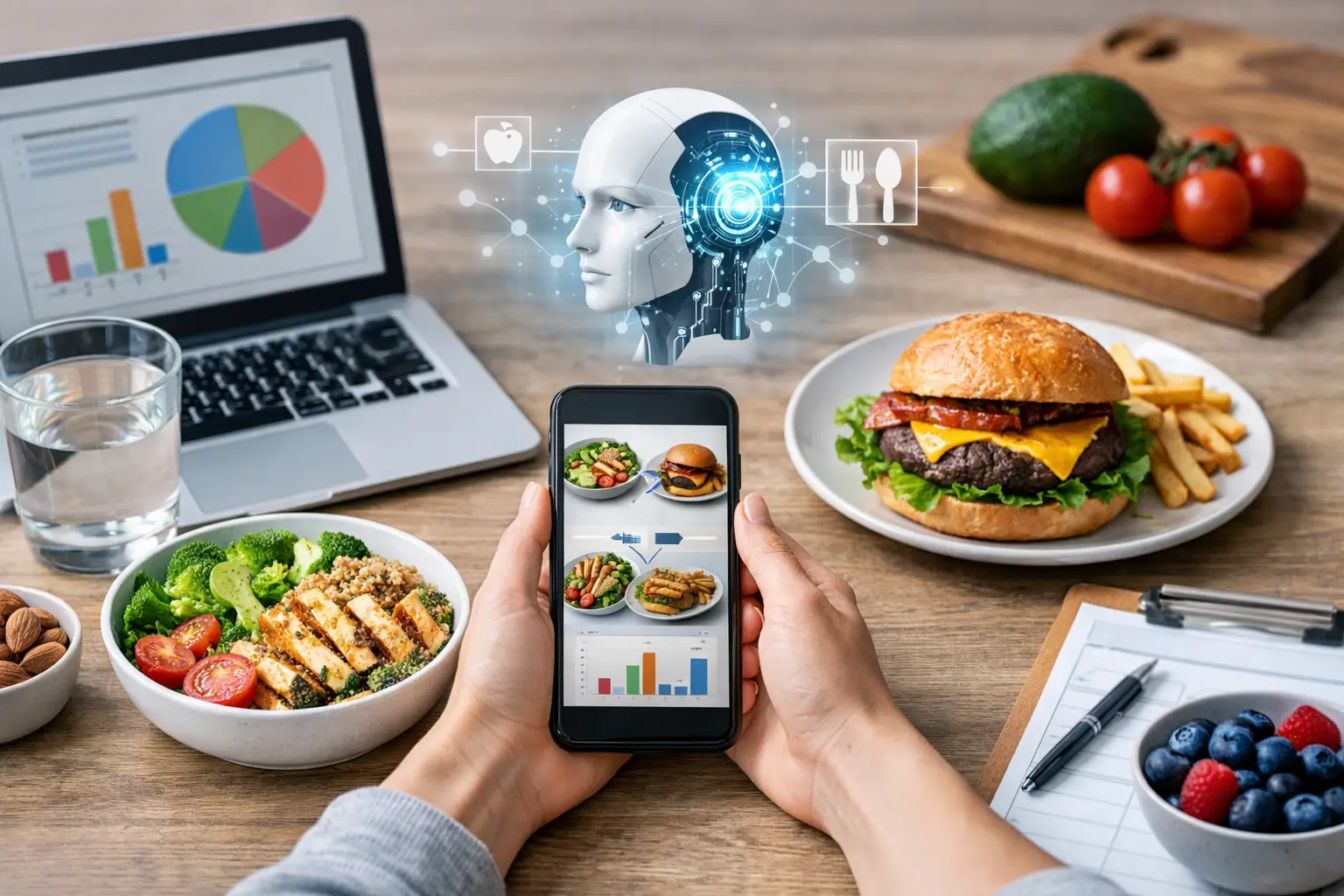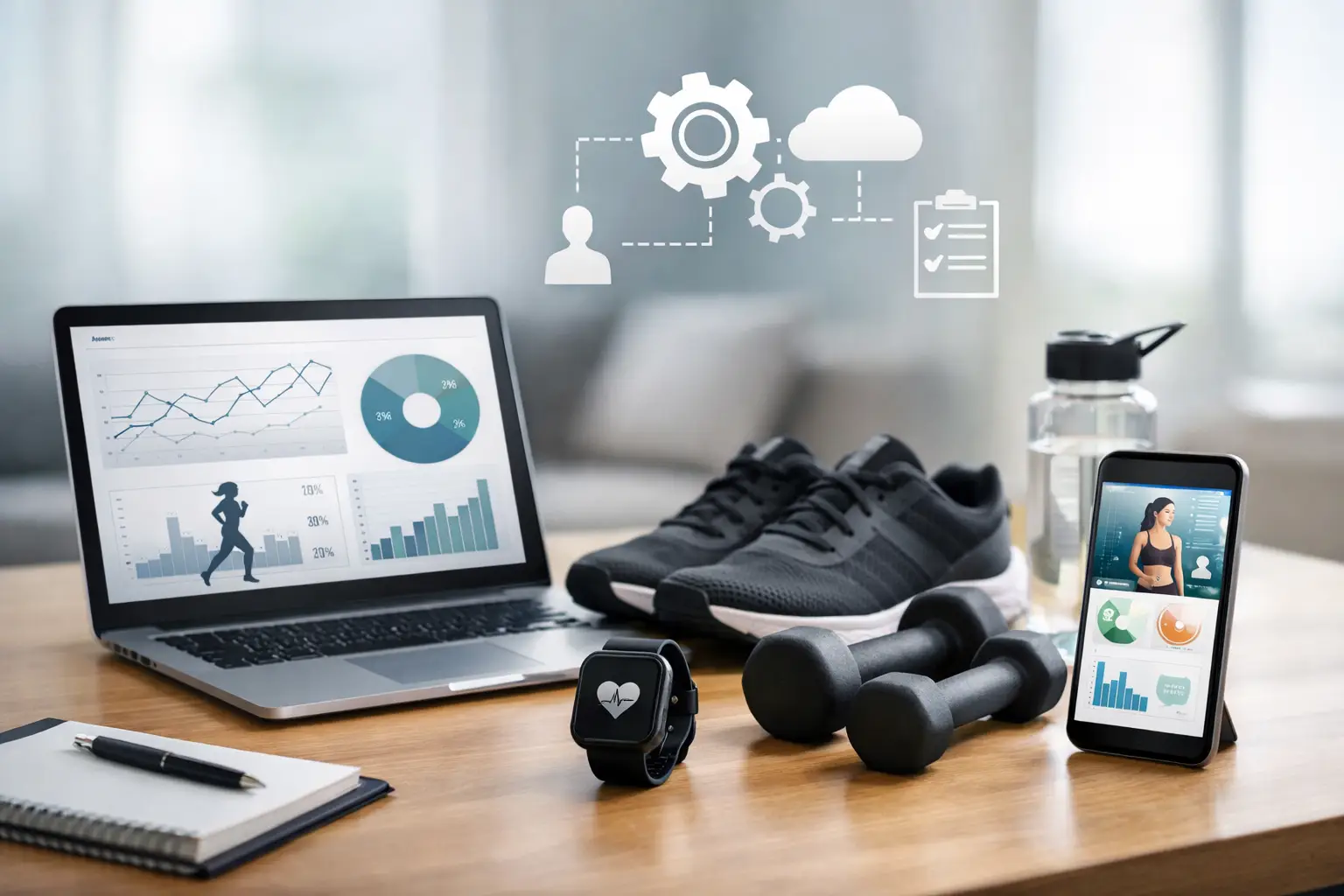
If your week disappears into check-in reviews, workout edits, macro adjustments, and chasing clients for updates, the problem usually is not your coaching. It is your system. Learning how to automate fitness coaching starts with separating what should stay human from what should run on rules, triggers, and data.
That distinction matters because most coaches automate the wrong things first. They try to replace judgment instead of reducing repetition. The result is a colder client experience, more exceptions to manage, and a business that still depends on manual cleanup. Good automation does the opposite. It protects coaching quality by removing low-value admin work so you can spend more time where expertise actually changes outcomes.
How to automate fitness coaching without watering it down
Automation works best when it supports a structured coaching model. If your service is inconsistent, your automations will be inconsistent too. Before you build anything, define the core flow of your client journey: onboarding, assessment, program delivery, nutrition setup, weekly check-ins, habit tracking, progress reviews, and plan adjustments.
Once that flow is clear, look for repeated decisions. New clients often need the same onboarding steps, baseline data collection, welcome messages, training split assignment, calorie targets, and habit setup. Existing clients often follow similar review cycles around compliance, recovery, biofeedback, progression, and nutrition adherence. Those are not areas where you need to type from scratch every time. They are areas where a system can standardize delivery and flag what needs coach attention.
The trade-off is simple. The more standardized your backend is, the more personalized your front-end can feel. That sounds backward until you see it in practice. When a platform handles recurring tasks, your energy goes into interpreting trends, solving plateaus, and coaching behavior change instead of moving data between apps.
Start with the highest-friction tasks
If you want immediate ROI, automate the work that eats time every single week. For most fitness and nutrition coaches, that means check-ins, workout progression, nutrition management, and client communication.
Check-ins are a good place to begin because they combine repetitive admin with critical decision-making. You do not need to automate your judgment, but you can automate the collection, organization, and first-pass analysis of client data. A strong workflow gathers metrics like body weight, photos, adherence, hunger, energy, sleep, training performance, and subjective feedback in one place. It then highlights changes, trends, and low-compliance patterns so you are not manually sorting through every submission from scratch.
Workout progression is another area where automation pays off. Evidence-based coaching already relies on repeatable progression logic. If a client completes prescribed volume and intensity targets with acceptable form and recovery, the next adjustment often follows a clear rule set. That does not mean every client progresses identically. It means your baseline logic can be automated, while edge cases still get coach review.
Nutrition is similar. Meal structure, macro targets, food swaps, and adherence prompts do not need to be rebuilt each week. Automation can support macro adjustments based on trend data, generate food suggestions that match targets, and reinforce habits when compliance drops. The coach still decides the larger strategy, but the system handles much of the repetitive execution.
Build automation around triggers, not guesswork
The best automated coaching systems are trigger-based. A client completes onboarding, so the system sends the welcome sequence, assigns habits, and delivers the first training block. A client misses two check-ins, so the system sends a reminder and flags them as at-risk. Compliance drops below your threshold, so you get prompted to review recovery, program difficulty, or nutrition complexity.
This is where many coaches waste time with disconnected tools. One app handles forms, another handles programming, another handles messaging, another handles meal planning, and none of them talk to each other well enough to create clean automations. You end up becoming the integration layer.
A centralized coaching system changes that. When training, nutrition, habits, check-ins, messaging, and analytics live in the same environment, automations become operational instead of theoretical. You are not just collecting information. You are creating actions from it.
That matters for scale. A coach with 15 clients can survive on manual follow-up and memory. A coach with 50 or 100 clients cannot. At that point, poor systems show up as slower response times, inconsistent delivery, weaker retention, and a brand experience that feels less professional than your pricing suggests.
Keep the human layer where it matters most
One reason some coaches resist automation is that they assume clients will feel like they are talking to software. That only happens when automation is used as a substitute for coaching instead of infrastructure for coaching.
Clients do not need you to manually send every reminder or rebuild every workout template to feel supported. They need timely feedback, visible progress, structured accountability, and the sense that their plan reflects their situation. Automation can strengthen all four when used correctly.
For example, habit reminders and check-in prompts increase consistency because clients respond better to regular cues than to vague expectations. Compliance scoring can reveal whether a fat-loss plateau is a programming issue or an adherence issue. Trend analysis across body composition, performance, and recovery can show when to push, hold, or deload. Those are better inputs for coaching decisions than scattered messages and guesswork.
The human layer should stay concentrated in interpretation, motivation, and strategy. If a client is stressed, under-recovered, and mentally disengaged, no automation should pretend that is just a macro issue. But the system can surface the pattern quickly so you can intervene earlier and with more context.
What to automate first in a fitness coaching business
If you are setting this up from scratch, automate in phases. Start with onboarding and weekly check-ins because they create immediate operational relief. Then move into program delivery and nutrition workflows. After that, automate retention-focused touchpoints such as milestone recognition, re-engagement prompts, and review cycles.
Onboarding automation should cover intake forms, waiver collection, baseline measurements, goal clarification, welcome messaging, and first-week instructions. This reduces client confusion and gives every new signup a more polished start.
Weekly delivery automation should handle reminders, check-in collection, data analysis, progression prompts, and recurring habit reviews. This is the engine room of online coaching, and it is where most wasted hours live.
Retention automation matters more than many coaches realize. Clients rarely leave because one week was imperfect. They leave when momentum fades and communication becomes reactive. Automated touchpoints can reinforce progress, bring quiet clients back into the process, and maintain consistency between major coaching conversations.
The tech stack question: more tools or fewer?
It depends on your stage, but most growing coaches do not need more software. They need less fragmentation. Every extra tool adds logins, exports, duplicate data, and process gaps. That might feel manageable when you are small, yet it compounds fast.
A platform built for coaching operations is usually the better long-term move because it aligns your workflows under one set of client records. That makes automations more accurate and the client experience more cohesive. It also reduces the hidden cost of context switching, which is one of the biggest productivity drains in service businesses.
This is where a system like CoachingPortal makes practical sense for coaches who want automation without losing control. When workout programming, meal planning, check-ins, messaging, habit tracking, analytics, and AI-supported coaching tools are connected, you can automate with logic instead of duct tape. That saves time, but more importantly, it supports a higher standard of delivery across a larger client base.
Measure whether your automation is actually working
Do not judge automation by how advanced it looks. Judge it by business and client outcomes. Are you spending fewer hours per client? Are check-in completion rates improving? Are clients adhering more consistently? Are plan adjustments faster and better informed? Is retention stronger after 8, 12, or 24 weeks?
Those questions matter because bad automation can create false efficiency. You might save time on paper while clients feel less seen, or while important issues get buried under generic messaging. The right system improves both operational efficiency and coaching quality. If one goes up while the other goes down, your setup needs work.
A useful benchmark is this: automation should reduce repeated tasks, increase response quality, and make personalization easier at scale. If it only does the first one, it is incomplete.
The coaches who win with automation are not the ones trying to remove themselves from the process. They are the ones building a tighter process so their expertise reaches more clients with less friction. That is the real point. The best system does not make coaching less human. It gives your human coaching more room to matter.